Phaelorith Vylandore
Between ranked matches and raid nights, finding time to eat something nutritious feels impossible. But what if your kitchen setup could be as optimized as your gaming rig? Steaming fish is one of the fastest, cleanest ways to get lean protein on the plate without the kitchen odor that’ll mess with your gaming space’s vibe. Whether you’re grinding through a 12-hour session or prepping meals for the week, knowing how to steam fish turns cooking from a chore into a quick win. This guide covers everything from equipment selection to flavor-packed recipes, because gamers deserve food that’s as efficient as their rotations.
Key Takeaways
- Steaming fish delivers complete protein in under 20 minutes with minimal kitchen odor and no complicated pan management, making it ideal for gamers and busy schedules.
- A steam fish recipe requires simple equipment—a basic pot, water, and a steaming basket—and produces perfectly moist, nutritious fish in 5–15 minutes depending on thickness.
- Cod, branzino, halibut, and salmon are the best fish species for steaming; buy fresh fish the day you cook it or use properly thawed frozen fillets to avoid quality degradation.
- Layer thin aromatics like ginger, lemon, fresh herbs, or soy sauce directly on fish before steaming to build flavor without heavy toppings that trap steam and prevent even cooking.
- Steamed fish preserves omega-3 fatty acids, B vitamins, and selenium better than frying or baking, and avoids harmful compounds like HCAs that form at high heat.
- Batch cook 8–10 fillets on Sunday, store plain in glass containers, and apply fresh sauces daily to maximize meal-prep efficiency while maintaining variety and freshness for 3–4 days.
What Is Steam Fish and Why Gamers Should Care
Steaming fish is exactly what it sounds: using hot steam to cook fish gently without oil or excessive heat. The moisture-based cooking method preserves the fish’s delicate texture and nutrients while keeping your kitchen from smelling like a seafood market.
For gamers, steamed fish hits different. You get complete protein in under 20 minutes, no complicated pan-management required, and zero lingering smells that’ll make your streaming setup uncomfortable. Unlike frying or baking, steaming is forgiving, overcooked fish is still edible, which matters when you’re distracted by voice comms or a clutch moment in-game.
The steam fish recipe genre has evolved. Modern home cooks aren’t limited to bland white fish anymore. You can build serious flavor with Asian-inspired aromatics, citrus zest, or Mediterranean herb blends. It’s the cooking method gamers gravitated toward because it removes friction, minimal prep, predictable results, cleanup in minutes. Once you dial in your how to steam fish basics, you’re looking at a repeatable strategy for nutrition on tournament days or grind weeks.
Essential Equipment and Setup for Steaming Fish at Home
You don’t need to spend big on gear. A basic setup, pot, water, and a steaming vessel, works fine. But knowing your options helps you optimize for your kitchen and frequency of use.
Steaming Baskets and Bamboo Steamers
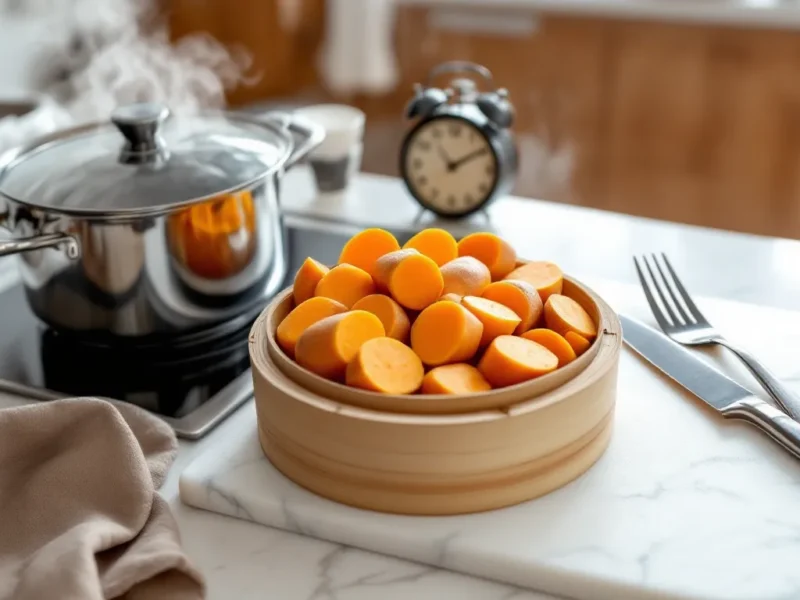
Bamboo steamers are iconic for a reason. They’re cheap (usually $15–30), stack for batch cooking, and visually fit any kitchen aesthetic. The woven structure allows steam to circulate evenly, and you can rest your fish directly on the bamboo without extra hardware.
Metal steaming baskets collapse for storage and last indefinitely. They’re more durable than bamboo and handle high heat better, but some gamers find the metal taste (minimal, but real) noticeable on delicate fish. Expandable basket steamers fit various pot sizes, making them flexible for different recipes.
Bamboo works best for Asian-inspired recipes and keeps steam temperature consistent. Metal baskets are your pick if you’re steaming regularly and want something that’ll survive years of use without degradation.
Pots, Pans, and Modern Cooking Gadgets
Any pot with a lid works. Fill it with 1–2 inches of water, place your steamer basket inside, and you’re set. Standard stainless steel pots ($20–50) do the job. Ensure the lid seals well enough to trap steam, gaps lose heat efficiency fast.
If you’re serious about batch prep, a full steaming setup like the Instant Pot or Ninja Foodi cuts actual hands-on time. Load it, set the timer, and it shuts off automatically. No hovering, no timer-checking mid-game. Electric steamers (around $40–80) are dedicated units that maintain consistent temperature and often include multiple tiers for cooking different items simultaneously, perfect for meal prepping protein across your week.
For minimalists, a rolled-up aluminum foil boat in any pot works in a pinch. Just ensure steam can flow underneath and around your fish.
Choosing the Right Fish for Steaming
Not all fish steam equally. Thickness, fat content, and delicate structure matter. Pick wrong and you’ll end up with flaky, mushy texture. Pick right and you’re rewarded with perfectly moist, clean protein.
Best Fish Species for Steaming
White fish with mild flavor dominates the steaming world. Cod is the standard, firm enough to handle steam without falling apart, mild-flavored so it absorbs whatever seasonings you apply. A typical fillet is 4–6 inches long and cooks in 8–12 minutes.
Branzino (sea bass) is premium if your budget allows. Delicate, slightly sweet, and steams beautifully. It’s what you see on high-end restaurant menus, and it’s not difficult to replicate at home.
Halibut and flounder are thicker, leaner options. They hold up well to longer steaming and won’t dry out as easily as thinner fillets. Tilapia is budget-friendly and accessible year-round, though it has less flavor complexity than cod or branzino.
Salmon also steams well, though it’s fattier. The omega-3 content is a bonus, and the natural oils keep the flesh moist even if you overshoot the timer by a minute or two.
Avoid super-thin fillets (like sole) unless you’re clocking sub-5-minute cook times. Avoid fish that’s been sitting for days, the texture degrades fast, and steaming highlights staleness.
Freshness and Quality Tips
Fish has a short shelf life. Buy it the day you plan to cook it, or flash-freeze it immediately and thaw in the fridge 24 hours before steaming. If you’re ordering online, premium seafood delivery services often pack fish with ice packs and arrive in 1–2 business days in good condition.
At the fishmonger, look for clear eyes, firm flesh that springs back when pressed, and smell that’s briny, not ammonia-like. If the fish counter smells rank, walk. Pre-packaged fillets are convenient but degrade faster than whole fish. If buying pre-packaged, check the date and go with the earliest pack date available.
Frozen fish is legit. Modern flash-freezing locks in quality better than old thawing methods. Just thaw properly (fridge, not room temp) to avoid bacterial growth. For gaming sessions, having frozen fillets on hand means you’re never scrambling for food when dinnertime hits unexpectedly.
Step-by-Step Guide to Perfectly Steamed Fish
The actual cooking process is simple once you nail the fundamentals. Rushing or ignoring timing ruins everything.
Preparation and Seasoning Techniques
Pat your fish dry with paper towels. Moisture on the surface steams unevenly and creates a texture issue. If your fillet has a line of brown tissue along the edge (blood line), trim it, it has a strong, fishy taste that steaming intensifies.
Season generously, but taste as you go. Salt, white pepper, and minimal aromatics let the fish shine. Too much seasoning gets concentrated by steam and overpowers the subtle flavor.
Ginger slices, lemon wheels, and fresh herbs (cilantro, dill, parsley) placed directly on top of the fish will infuse as the fish steams. Don’t bury the fish under toppings, steam needs contact with the flesh. Thin layers work. Heavy piles prevent even cooking.
For a steam fish recipe with sauce, apply it after steaming or as a light drizzle before. Thick sauces trap steam and create a poached effect instead of true steaming. If you’re using a steaming basket lined with parchment, brush the parchment lightly with oil so the fish doesn’t stick.
Steaming Time and Temperature Control
Fill your pot with 1–2 inches of water, bring it to a full boil, then place your steamer basket inside. The steam temperature is always 212°F (100°C) at sea level, it doesn’t vary. What changes is how long the fish needs to reach the target internal temp (145°F / 63°C according to USDA standards).
Timing depends on thickness, not type. A standard 1-inch-thick fillet takes 8–10 minutes. A thicker 1.5-inch piece takes 12–15 minutes. Thin fillets (under 0.75 inches) can be done in 5–7 minutes. Start checking at the minimum time, fish cooks fast and the window between perfect and overcooked is like 2 minutes.
Test doneness by inserting a fork into the thickest part. The fish should flake easily and have an opaque appearance inside. If it looks translucent, it’s not done. If it flakes into dust, it’s overdone.
Maintain water level throughout. If you hear the pot sputtering or see no steam escaping, refill with boiling water to avoid the pan drying out. Keep the lid on the whole time, every time you peek, you lose heat and add 1–2 minutes to cook time.
Flavor Combinations and Sauce Pairings
Plain steamed fish is fine. Seasoned steamed fish is where the appeal is. Build flavor layers without overcomplicating.
Asian-Inspired Seasonings and Sauces
Soy sauce, sesame oil, and ginger are the core trio. Before steaming, brush a light coating of sesame oil on your fish, sprinkle soy sauce (about 1 teaspoon per fillet), top with thin ginger slices and scallions. After steaming, finish with a drizzle of hot sesame oil and fresh cilantro. The heat draws out the sesame aroma.
Chinese black vinegar (Zhenjiang vinegar) adds depth. Mix 2 parts soy sauce with 1 part black vinegar and a splash of sesame oil for a dipping sauce that’s savory-tangy without overwhelming delicate fish. Recent gaming culture coverage on streaming lifestyle foods highlights that Asian-influenced meal prep dominates esports player diets, this isn’t trend chasing, it’s efficient seasoning that works.
Thai-style steaming uses coconut milk, fish sauce, lime juice, and Thai chilies. Pour a thin layer of coconut milk mixed with fish sauce into the steamer pot (instead of plain water), and steam your fish with cilantro, lemongrass, and sliced red chilies on top. The steam picks up the aroma, and the result is restaurant-quality in your apartment.
Japanese miso butter is simple: mix white miso with butter, fold in minced garlic, and spread a thin layer on top of the fish before steaming. The miso caramelizes slightly and adds umami.
Western and Mediterranean Flavors
Lemon, dill, and white wine is classic for a reason. Layer lemon slices and fresh dill on your fish, add 2–3 tablespoons of white wine to the steamer pot (instead of plain water), and steam. The wine vapors infuse the fish, and the lemon brightens it. Finish with a squeeze of fresh lemon juice and flaked sea salt.
Mediterranean prep uses olive oil, garlic, capers, and fresh herbs (parsley, basil, oregano). Drizzle olive oil on your fish, scatter minced garlic and capers on top, add herbs, then steam with a bit of dry white wine in the pot. After steaming, drizzle with more olive oil and bake under broiler for 2 minutes if you want slight browning (optional, not traditional steaming, but adds texture).
Spanish romesco sauce (roasted red peppers, almonds, garlic, paprika, sherry vinegar) pairs beautifully with steamed white fish. Make it ahead, then drizzle over cooked fish. It’s 5 minutes of prep and gives off serious culinary energy without the complexity.
Cream-based sauces (like beurre blanc) are too heavy for true steaming and work better as post-cooking sauces. Steam your fish plain or with light aromatics, then spoon warm sauce over it at the table.
Health Benefits of Steamed Fish
Steaming preserves nutrients better than frying or baking at high temperatures. B vitamins, selenium, and protein survive the process intact. You’re not losing calories to oil absorption like you would with pan-frying, so a steamed fillet is closer to pure protein value than almost any other cooking method.
Fish is loaded with omega-3 fatty acids, which reduce inflammation and support brain function, relevant for gamers spending hours focused on reaction time and decision-making. Salmon and mackerel have the highest omega-3 content, but even white fish contributes meaningful amounts.
Steaming doesn’t create harmful compounds like heterocyclic amines (HCAs) or advanced glycation end products (AGEs) that can form at high heat. Your body has to work less to process steamed fish compared to charred or fried proteins.
For competitive gamers on strict nutrition plans, steamed fish hits macros cleanly. A 6-ounce fillet of cod is roughly 35g protein, 1–2g fat, 0g carbs. It’s flexible enough to pair with any side (rice, vegetables, potatoes) without overloading calories. Tournament days or streaming sessions requiring sustained focus benefit from the clean fuel.
The low sodium content (unless you oversalt) makes steamed fish a safe choice if you’re managing water retention or have blood pressure concerns. Season smartly with herbs and spices instead of relying on salt.
Common Mistakes to Avoid When Steaming Fish
Not patting fish dry. Surface moisture prevents proper steaming and creates a boiled texture instead. Paper towels are your friend.
Overcrowding the steamer basket. If pieces are touching or stacked, the bottom ones steam unevenly while the top ones overcook. Work in batches if needed.
Forgetting to maintain water level. The moment your pot runs dry, you’re no longer steaming, you’re dry-roasting or scorching your fish. Check water level halfway through for anything over 12 minutes of cook time.
Using insufficient seasoning. Steaming is gentle, and underseasoned fish tastes boring. Taste your ingredients before they go in and adjust salt/acid (lemon, vinegar) accordingly.
Steaming fish straight from the fridge. Cold fish takes longer to cook and the texture suffers. Let fillets sit at room temperature for 5–10 minutes before steaming.
Choosing fish that’s past its prime. Steaming doesn’t hide off-flavors, it amplifies them. Buy fresh fish the day you’re cooking it, or thaw frozen fish properly in the fridge.
Leaving the lid off or opening it constantly. You lose steam, increase cooking time, and risk uneven results. Set your timer and trust it.
Overloading with toppings. Heavy piles of aromatics or sauce trap steam in pockets instead of cooking the fish evenly. Use restraint.
Quick Steam Fish Recipes for Busy Gamers
15-Minute Easy Weeknight Recipes
Basic Asian-Style Steamed Cod (5 minutes prep, 10 minutes cook):
- Two 6-ounce cod fillets, patted dry
- 1 tablespoon soy sauce
- 1 teaspoon sesame oil
- 3–4 thin ginger slices
- 2 scallions, chopped
- Pinch of white pepper
Layer fillets on parchment in steamer basket. Drizzle soy sauce and sesame oil. Top with ginger. Steam for 10 minutes until flaking. Finish with scallions and an extra drizzle of sesame oil.
Lemon-Dill Branzino (5 minutes prep, 12 minutes cook):
- One whole branzino (8–10 ounces) or two fillets
- 2 lemon slices
- 4–5 sprigs fresh dill
- Salt and white pepper
- 2 tablespoons white wine added to steamer pot
Stuff whole fish with lemon and dill or layer fillets with the same. Season outside with salt and pepper. Steam for 10–12 minutes. Squeeze fresh lemon over finished fish.
Thai Coconut Tilapia (7 minutes prep, 9 minutes cook):
- Two 6-ounce tilapia fillets
- 3 tablespoons coconut milk
- 1 teaspoon fish sauce
- 4–5 thai basil leaves or cilantro
- Slice of red chili
- Water mixed with remaining coconut milk for steamer pot
Instead of plain water, fill steamer pot with a mix of water and 1 tablespoon coconut milk mixed with 0.5 teaspoon fish sauce. Layer fillets on parchment, top with basil and chili. Steam for 8–9 minutes. Drizzle remaining coconut mixture over finished fish.
Meal Prep and Batch Cooking Ideas
Sunday prep is your best strategy. Steam 8–10 fillets at once (in two or three batches using your steamer), then portion them into glass containers with different sauces or flavor bases. Fish keeps 3–4 days refrigerated.
Cook plain (no toppings) during batch prep. Then prepare fresh toppings and sauces daily or every other day. A plain steamed fillet stays fresher than one topped with wet ingredients for 4 days.
Stack your steamer baskets if you have bamboo steamers. Put different fillets or even vegetables in each tier. Steaming time is the same, so you’re maximizing efficiency. Major esports organizations emphasize meal prep protocols for consistent athlete performance, and batch-steamed fish is a cornerstone of that strategy, not because it’s trendy, but because it works at scale.
Prepare sauce components separately: make Asian dipping sauce (soy, sesame, rice vinegar), store lemon-dill butter in a small container, prep thai coconut base. Each morning, grab a fillet and add your sauce of the day. Zero effort, infinite variety, and you’re never eating the same thing twice even though identical protein.
Conclusion
Steaming fish is the most efficient protein prep method a gamer can adopt. It’s faster than most takeout, cleaner than frying, and flexible enough to support any flavor profile you’re craving. Once you understand the core mechanics, equipment setup, fish selection, timing, and seasoning, you’ve unlocked a skill that’ll pay dividends across tournament prep weeks, streaming marathons, and regular grind sessions.
The beauty of a steam fish recipe isn’t its complexity, it’s the consistency. Unlike dishes that demand attention or risk burning, steaming is forgiving and reliable. Set the timer, trust the process, and you’ll come out with nutritious, flavorful food without the kitchen becoming a distraction from what matters.
Start with one fish type (cod is your safest bet) and one flavor approach (Asian-inspired or lemon-dill). Build confidence from there. Within a few sessions, you’ll have a repeatable system that takes 20 minutes total and provides days of high-protein meals. That efficiency compounds when you’re balancing gaming, work, or studies. Your future self will appreciate the time you save by getting this right now.


 Phaelorith Vylandore