Phaelorith Vylandore
Steaming artichokes might seem intimidating at first, but it’s actually one of the easiest and most reliable cooking methods for getting perfectly tender hearts and leaves every time. Whether you’re a kitchen newbie or someone looking to expand their cooking repertoire, steaming delivers consistent results without the guesswork of boiling or roasting. The process is straightforward, the equipment is minimal, and the payoff, a delicious, nutrient-rich vegetable ready for dipping, makes it worth learning. This guide walks you through everything you need to know: from selecting the right artichokes and setting up your steamer to troubleshooting common mishaps and serving with style. By the end, you’ll have the confidence to steam artichokes like a pro.
Key Takeaways
- Steaming artichokes preserves more nutrients than boiling and delivers even, tender results with vibrant green color and creamy hearts.
- You can steam artichokes with minimal equipment—a bamboo steamer basket (under $15), metal insert, Instant Pot, or even a collapsible steamer insert all work effectively.
- Steaming time depends on size: small artichokes need 20–25 minutes, medium ones 30–40 minutes, and large artichokes 45–60 minutes; test doneness when a fork slides through the base with no resistance.
- Serve steamed artichokes with simple dipping sauces like melted butter with fresh lemon juice, garlic aioli, or herb mayo for maximum flavor.
- Store leftover steamed artichokes in the refrigerator for 4–5 days and reheat gently using a steamer or oven to maintain their tender texture and taste.
Why Steaming Is The Best Method For Artichokes
Steaming preserves more nutrients than boiling, which leaches water-soluble vitamins into the pot. The gentle, moist heat keeps artichokes from drying out and cooks them evenly from the outside in. Unlike roasting, which can char the outer leaves before the inside is tender, steaming gives you a more controlled environment where every part cooks at the same rate.
Another advantage: steamed artichokes hold their vibrant green color and don’t absorb excess water the way boiled ones do. They maintain a better texture, leaves are tender but still have bite, and the heart stays creamy without becoming mushy. The flavor is cleaner too: you taste the artichoke itself rather than any bitter undertones from prolonged heat exposure. For beginners, steaming also removes a lot of the timing anxiety since the margin for error is wider than with other methods.
Essential Equipment And Ingredients You’ll Need
Steaming Equipment Options
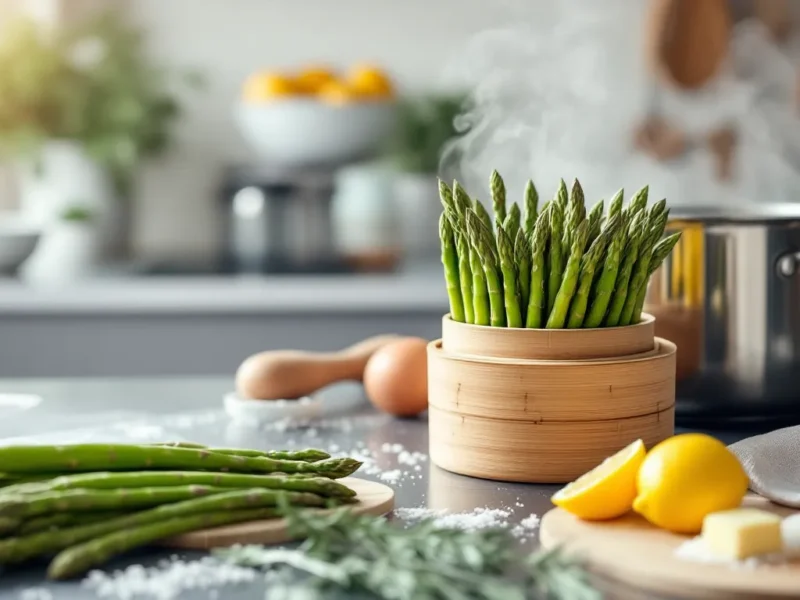
You don’t need fancy gear to steam artichokes. The simplest setup is a bamboo steamer basket stacked over a pot of boiling water, these cost under $15 and work beautifully. If you prefer something more permanent, a metal steamer basket that sits inside any pot is equally effective and lasts for years.
Other options include:
- Instant Pot or electric pressure cooker: Sets the timer automatically: great for busy cooks.
- Stovetop steamer pot: A dedicated two-tier pot with a built-in steaming chamber, efficient if you steam regularly.
- Collapsible steamer insert: Flexible enough to fit most pot sizes: affordable and space-saving.
- Microwave steamer bag: Fast but less reliable for larger artichokes: works best for smaller ones.
Regardless of which you choose, you’ll need a pot deep enough to hold water without it touching the steaming surface, a lid (or foil if yours doesn’t fit snugly), and a timer.
Ingredients And Seasonings
The base recipe is minimal: artichokes and water. That’s it. But to elevate flavor, consider adding these to the steaming water or serving alongside:
- Lemon juice or fresh lemon slices: Brightens the vegetable and prevents browning on cut surfaces.
- Garlic cloves: Drop a few into the water for subtle flavor infusion.
- Sea salt: A pinch in the steaming water seasons the leaves gently.
- Fresh herbs (thyme, rosemary, or bay leaf): Optional but fragrant: great for the water.
- Olive oil, butter, and garlic: Reserved for dipping sauces, discussed later.
You can keep it simple and skip the seasonings entirely if you prefer, steamed artichokes are delicious on their own, especially with good dipping sauce.
Preparing Your Artichokes For Steaming
Selecting Fresh Artichokes
Fresh artichokes should feel heavy for their size, with tightly closed leaves that don’t spread easily. The color is deep green (or purple if it’s a purple variety): avoid any with brown spots, yellowing leaves, or a dried-out appearance. If the leaves feel papery or loose, the artichoke is past its prime. Medium to large artichokes work best for beginners, they’re easier to handle and less likely to cook unevenly.
Check the stem too. A fresh stem should be firm and moist where you cut it, not hollow or brown. Buy artichokes 1–2 days before you plan to cook them and store them in the crisper drawer, unwashed, in a perforated bag to maintain moisture without promoting rot.
Cleaning And Trimming Steps
Rinse your artichokes under cool running water, rubbing the leaves gently to remove any dirt or debris. Use your fingers or a soft brush, the outer leaves can be tough but won’t break from gentle scrubbing.
Next, trim the stem. Lay the artichoke on its side and use a sharp knife to slice about ¾ inch from the bottom of the stem. This exposes fresh flesh and helps water absorb better. You can also peel the fibrous outer layer of the stem with a vegetable peeler if you like, though it’s optional.
Now, cut off the top ½ to 1 inch of the artichoke, this removes the pointy, bitter tips. If any outer leaves look dried out or damaged, snap them off by bending them backward and peeling them away from the base. Finally, snip the thorny tips off any remaining leaves using kitchen shears. This prevents pricks and makes them easier to eat later. Some cooks also rub a cut lemon on the exposed surfaces to prevent oxidation and browning, a nice touch if you care about presentation.
Step-By-Step Steaming Instructions
Setting Up Your Steamer
- Fill your pot with water: Add about 2 inches of water to the base of your pot. Use filtered water if your tap water is heavily chlorinated: the flavor difference is subtle but worth noticing.
- Position the steaming basket or insert: Make sure it sits above the water level with space for steam to circulate. The water should not touch the basket.
- Optional aromatics: Add a squeeze of fresh lemon juice, a few garlic cloves, or a sprig of thyme to the water for subtle flavor.
- Bring water to a boil: Crank the heat to high and wait until you see rolling steam coming from the pot.
- Arrange artichokes: Place trimmed artichokes stem-side up in the steamer basket, leaving a little space between them so steam can circulate. If your steamer is small and they’re packed tightly, rotate them halfway through cooking. For an Instant Pot, add the trivet, pour in 1 cup of water, set the steamer basket on top, and arrange artichokes upright (stem-side down).
Cooking Time And Temperature Guidelines
Steaming time depends on artichoke size. Use this as your baseline:
- Small artichokes (fist-sized): 20–25 minutes
- Medium artichokes (average grocery store size): 30–40 minutes
- Large artichokes: 45–60 minutes
- Extra-large artichokes: Up to 60+ minutes
Instant Pot users: Set high pressure for 15 minutes (medium artichokes), then quick-release. Add 5 minutes for large ones.
Once the water is boiling and artichokes are in the basket, cover the pot with a lid (or foil) and maintain a steady boil. Check water level halfway through: if it’s getting low, add more hot water carefully to keep the steam going. Don’t let the pot run completely dry, you’ll damage it and ruin the artichokes. A gentle but consistent hiss of steam is what you’re after, not aggressive, rolling boil.
Keep the heat consistent throughout. Fluctuating temperatures can cause uneven cooking. If you’re using a stovetop steamer, medium-high heat usually works well after the initial boil.
Testing For Doneness And Removal
Your artichokes are done when a fork or knife slides through the base (the heart) with no resistance, and the outer leaves pull off easily without tearing. A simple pull-test works too: grab an outer leaf near the base and tug gently. If it comes off with a slight resistance, showing tender pale flesh underneath, they’re ready.
Another check: insert a fork into the stem. If it goes in smoothly, the artichoke is cooked through. The leaves should be a bright, vibrant green (or purple), not dull or grayish. If they look dull, give them another 5 minutes.
Remove artichokes carefully using tongs, they’ll be hot and slightly fragile. Lay them on a cutting board to cool for 3–5 minutes. This firms them up slightly and makes handling easier. You can eat them warm or at room temperature: some people prefer them chilled. Let them rest at least a few minutes before serving: cutting into a piping-hot artichoke is painful and less flavorful anyway.
Serving And Dipping Sauce Ideas
Classic Butter And Lemon Sauce
The simplest and most popular pairing: melted butter mixed with fresh lemon juice. Melt ½ cup (1 stick) of butter over low heat, add juice from 1–2 fresh lemons and a pinch of sea salt. That’s it. Some cooks add minced fresh garlic to the warm butter for extra depth. Dip each leaf and the heart into this, and you’ve got a restaurant-quality experience at home.
For a lighter version, use half butter and half olive oil, which reduces richness while keeping the sauce smooth. A drizzle of quality extra-virgin olive oil also works beautifully on its own, especially if paired with a spritz of lemon and fleur de sel.
Garlic Aioli And Other Variations
Garlic Aioli is creamy and luxurious: whisk 1 egg yolk with 1 teaspoon of Dijon mustard, then slowly drizzle in ½ cup of neutral oil (vegetable or light olive oil) while whisking constantly. Add 3–4 minced garlic cloves, juice from ½ lemon, and salt to taste. If it breaks, start with a fresh yolk in a clean bowl and slowly whisk in the broken mixture. This takes patience but is worth it.
Other dipping options:
- Herb mayo: Mix mayonnaise with fresh parsley, dill, and lemon juice.
- Spicy sriracha butter: Whisk a few teaspoons of sriracha into melted butter with lime juice instead of lemon.
- Balsamic reduction: A drizzle of aged balsamic vinegar for a tangy, sophisticated dip.
- Garlic and herb cream cheese: Blend softened cream cheese with roasted garlic and fresh herbs: serve at room temperature.
- Simple salt and lemon: Sometimes the best sauce is just sea salt and a fresh lemon wedge on the side.
Prepare sauces ahead of time if possible. Serve warm sauce in small dipping cups, one per person, to keep things neat.
Troubleshooting Common Steaming Issues
Overcooked Or Undercooked Artichokes
Overcooked artichokes are mushy and fall apart when handled. The leaves lose structure and become slippery, and the heart has no firmness. This usually happens from steaming too long or keeping the heat too high. Solution: start checking for doneness at the lower end of your estimated time range and add just 5 minutes at a time if needed. A timer on your phone helps prevent you from forgetting and cooking them twice as long as intended.
Undercooked artichokes have leaves that don’t pull off easily and a heart that’s tough and fibrous when you try to fork through it. The base should give no resistance. If this happens, return them to the steamer for another 10–15 minutes. Don’t try to rush artichokes: they don’t respond well to high heat alone.
Size inconsistency is often the culprit: mixing very large and very small artichokes in the same batch means either the small ones overcook or the large ones stay raw. If you have mixed sizes, either sort them into batches or rotate smaller ones to the cooler part of your steamer basket halfway through.
Water Management And Steam Issues
If your water runs out before the artichokes are done, you’ll lose steam and get a dry, partially cooked result. Prevention: check the water level at the 20-minute mark and again at the 30-minute mark. Keep a kettle of hot water on standby so you can add more without cooling the pot. Never add cold water: it shocks the system and disrupts cooking.
If steam is escaping from the sides of your lid, press down gently or drape foil over the top before placing the lid, a tight seal is essential. If your pot doesn’t have a well-fitting lid, cling film or foil works fine for most home steamers.
For Instant Pot users, if the float valve drops before time is up, it usually means insufficient water. Make sure you’re adding the full 1 cup (not less). If you’re stacking multiple artichokes, you may need 1.5 cups. Check your manual for guidance.
Storage And Reheating Tips
Steamed artichokes keep in the refrigerator for 4–5 days in an airtight container. Store them whole or halved: they take up less space if you cut them in half lengthwise. Don’t store them with dipping sauce, keep that separate and add it fresh when serving.
To reheat, place leftover artichokes in a steamer for 5–10 minutes, or wrap them loosely in foil and warm in a 350°F oven for 10–15 minutes. You can also microwave them, though this dries them out slightly, cover them with a damp paper towel and heat for 1–2 minutes on medium power. Steaming is the gentlest method and restores their texture best.
Frozen artichokes don’t store well at home because the leaves become mushy after thawing, though commercially frozen artichoke hearts (the inner, tender part) are fine for soups or other cooked dishes. Fresh steamed artichokes are best enjoyed within a few days of cooking for optimal flavor and texture. If you find yourself with several leftover artichokes and no time to eat them, consider scraping the tender flesh from the leaves and freezing just the hearts in an airtight bag, these work well in future dishes but aren’t as pleasant eaten whole after freezing.
Conclusion
Steaming artichokes is a simple, rewarding skill that yields impressive results with minimal effort. The process is forgiving, the equipment is accessible, and the flavor payoff makes it well worth your time. You now have the knowledge to select fresh artichokes, prep them correctly, steam them to perfect tenderness, and serve them with sauces that’ll impress anyone at your table.
Start with medium-sized artichokes and a basic butter-and-lemon sauce if you’re new to cooking them. As you gain confidence, experiment with different sizes, aromatics in the steaming water, and various dipping sauces. The fundamentals stay the same, but once you master those, you can personalize the experience to match your taste. The beauty of steaming is that it’s repeatable, once you nail your technique, you’ll get consistent, delicious results every single time. So fill that pot, fire up the steamer, and enjoy some of the best artichokes you’ve ever had.

 Phaelorith Vylandore
 Simon Leonard