Phaelorith Vylandore
Steaming corn on the cob is one of those kitchen skills that seems simple until you’re standing in front of the pot wondering if you’re doing it right. Get the timing wrong, and you end up with either rubbery kernels or corn that’s undercooked and starchy. But nail the technique, and you’ll have perfectly tender, sweet corn every single time, no guesswork required. This guide breaks down exactly how to steam corn on the cob with precision, covering everything from selecting fresh ears at the market to timing it perfectly. Whether you’re cooking for a weeknight dinner or preparing for a gathering, understanding how to steam corn properly transforms this simple side into something genuinely delicious. We’ll walk through the equipment, the step-by-step process, and the pro tips that separate mediocre corn from the kind that makes people ask for seconds.
Key Takeaways
- Steam corn on the cob for 7–9 minutes for medium ears to achieve perfectly tender kernels while preserving natural sweetness that boiling and other methods lose.
- Fresh corn selected from the market with bright green husks and plump kernels makes an enormous difference—buy corn the day you plan to cook it for best results.
- Maintain 1–2 inches of water below your steamer basket to generate consistent steam; water touching the basket turns steaming into boiling and degrades flavor.
- Test doneness by piercing a kernel with your fingernail at 7 minutes; undercooked corn can always cook longer, but overcooked corn cannot be salvaged.
- Enhance steamed corn with softened herb butter, cotija cheese and lime, or Tajín seasoning applied while the corn is still hot so toppings adhere properly.
- Store leftover steamed corn in an airtight container for up to 4 days, or freeze kernels for up to 3 months for use in soups and salads.
Why Steaming Is The Best Cooking Method For Corn
Steaming beats boiling, grilling, and microwaving when it comes to preserving the natural sweetness and texture of corn on the cob. Here’s why it works so well: steaming uses dry heat conducted through water vapor, which means the kernels stay in direct contact with heat without being submerged in water. When you boil corn, you’re essentially leaching out the sugars and flavor compounds into the surrounding water. Steamed corn retains its natural moisture and sweetness while achieving that tender-but-not-mushy texture that’s hard to replicate with other methods.
The kernels also cook more evenly during steaming. The heat surrounds the corn from all angles, ensuring consistent doneness rather than the uneven softness you sometimes get from boiling. Plus, you’re not dealing with the scorching or char marks that come with grilling, or the weird texture inconsistencies from microwaving. Steaming is the goldilocks method, straightforward, predictable, and delivers results that actually taste like corn should taste. It’s also one of the most forgiving techniques once you understand the basics. The margin for error is smaller than with boiling, where a few extra minutes can mean mushy, oversaturated corn.
Preparation: Getting Your Corn Ready To Steam
Selecting Fresh Corn At The Market
Fresh corn makes an enormous difference in the final result. When you’re at the market, look for ears with bright green, tightly wrapped husks that feel slightly damp to the touch. The husks should have no brown, papery sections or signs of drying out. Gently feel the corn through the husk, you want to detect individual kernels that feel plump and firm, not mushy or hollow.
The silk at the top should be brown or slightly golden, not dried out to a brittle crisp. This tells you the corn was picked recently. If possible, buy corn the day you plan to cook it. Corn starts losing sweetness immediately after harvest as the sugars convert to starch. Avoid ears with kernels that feel shriveled, dents, or any discolored spots on what you can see of the cob. Smell the tassel end, fresh corn should smell faintly sweet and corn-like, not fermented or off.
Cleaning And Husking Your Corn
Once you’re home, start by placing the ear under cool running water. Using your hands, rub the husk to remove any dirt, silk fragments, or debris. Don’t overthink this, just a thorough rinse is fine.
Now for husking: peel back the green husk layers from the tip toward the tassel end. Most of the silk will come away with the outer husks. Hold the ear firmly and pull the husks back in one smooth motion. Once you’ve stripped away the main husks, use your fingers or a damp kitchen towel to rub away any remaining silk strands. Don’t stress about getting every single one, a few strands are fine and won’t affect the steaming process.
If the corn has any blemished spots on the kernels, you can scrape them off with a small knife or just trim that section away. At this point, your corn is ready for steaming. Don’t rinse it again after husking, a light rinse beforehand is enough. You want some moisture on the surface, but not dripping wet.
Essential Equipment You’ll Need
Steaming Pot And Basket Options
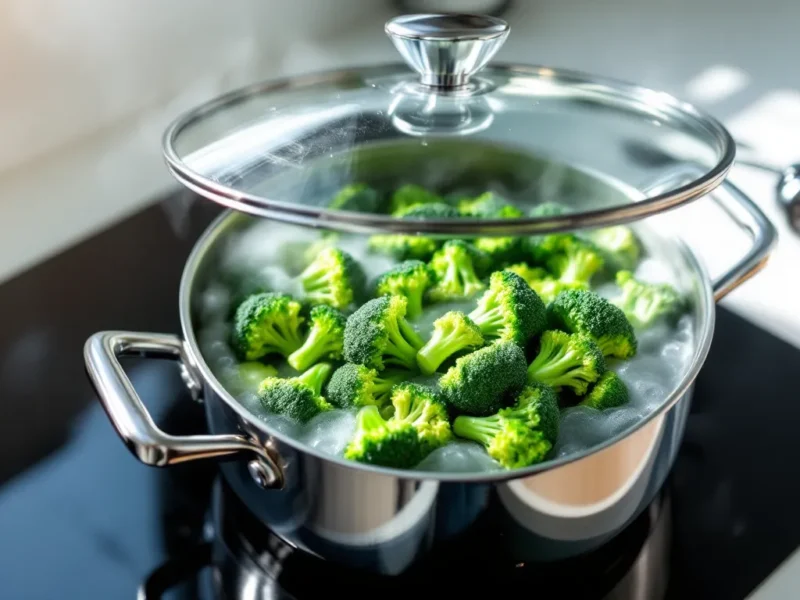
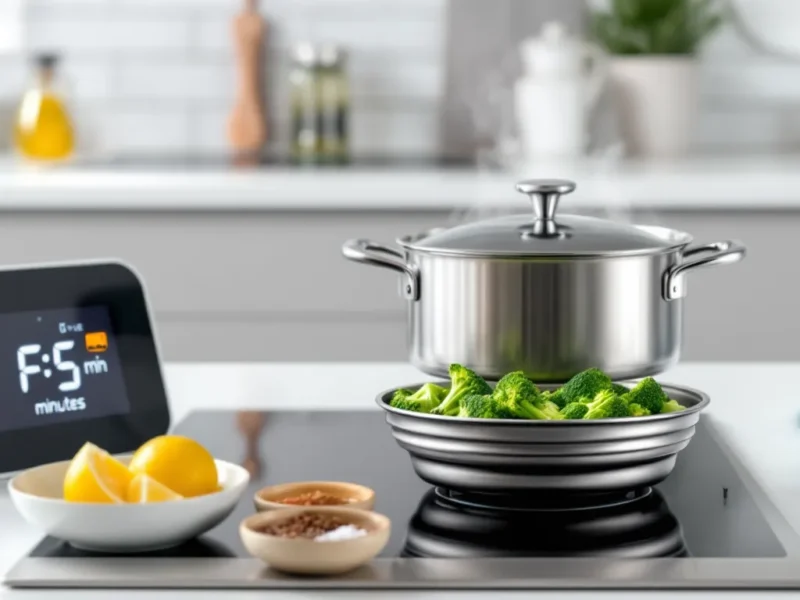
You don’t need fancy equipment, but having the right setup makes steaming corn on the cob straightforward and repeatable. The most common approach is using a large pot with a collapsible steamer basket. The basket sits above the water level and lets steam circulate around the corn. Look for stainless steel baskets that adjust to fit various pot sizes, they’re durable and cost between $10-25.
Alternatively, a bamboo steamer basket works beautifully if you have one. These stack and fit inside wider pots, and they distribute heat evenly. They’re especially good if you’re cooking larger batches. Just make sure the bottom layer isn’t directly touching water, you want steam, not boiling liquid.
The pot itself should be large enough to hold your corn without overcrowding and deep enough to accommodate at least 1-2 inches of water beneath the steamer basket. A 6-8 quart stainless steel pot is ideal. If you’re cooking just 2-3 ears, a smaller 4-quart pot works fine.
Alternative Steaming Methods
No steamer basket? No problem. You can use a rolled-up piece of aluminum foil to create a platform. Crumple several sheets of foil into a loose ball and place it in the bottom of your pot. Pour water around it until it reaches about 1 inch below the foil platform. The corn rests on the foil, and steam circulates underneath.
Another option is using chopsticks or wooden skewers. Lay them across the rim of the pot parallel to each other, close enough that corn ears can rest on them without falling through. This elevates the corn above the water and lets steam flow underneath.
You can also use an instant pot or electric pressure cooker if you have one, we’ll cover timing adjustments for those methods. Some people swear by placing a ceramic pie dish upside down in the pot bottom, then resting the corn on top of it. The idea is the same: create a barrier between the water and the corn, allowing steam to do the work. Whatever method you choose, the goal is keeping the corn elevated at least 1-2 inches above the boiling water.
Step-By-Step Steaming Process
Water Level And Heat Management
Start by adding water to your pot. You need enough water to generate steam for the entire cooking time, but it shouldn’t touch the steamer basket or your corn. Measure approximately 1-2 inches of water into the bottom of your pot. For a standard 6-quart pot, this usually means about 2-3 cups of water.
Place your steamer basket (or whatever elevation method you’re using) into the pot first, then add the water. This ensures you’re measuring correctly and can see where the water level sits relative to the basket. The water shouldn’t breach the basket, if it does, carefully remove some water.
Arrange your husked corn ears on the basket in a single layer. If you’re cooking more than 3-4 ears, you’ll need to stack them carefully or work in batches. Stacking is fine as long as steam can still circulate. Cover the pot with a lid. If you don’t have a tight-fitting lid, you can use aluminum foil, but a proper lid is better for maintaining steam temperature.
Turn the heat to high until you see steam actively escaping from under the lid. You’ll hear the water boiling beneath. Once you’ve got good steam production, reduce the heat to medium-high. The water should maintain a steady boil, not a rolling, violent boil, but not a gentle simmer either. If the boil is too aggressive, you’ll lose water quickly and might need to refill. If it’s too gentle, you won’t generate enough steam and the corn will cook unevenly.
Timing Guidelines For Perfect Doneness
Timing depends on the size and freshness of your corn. For medium-sized ears of fresh corn (the ideal scenario), 7-9 minutes is the sweet spot. This gives you tender kernels that still have a slight bite to them.
Smaller ears or very fresh corn pulled straight from a farmer’s market might need only 5-7 minutes. Larger, more mature ears can take 10-12 minutes. The key is testing as you approach the end of the lower estimate. At 7 minutes, carefully remove one ear (use tongs, it’ll be hot) and let it cool for 15 seconds, then test a kernel by piercing it with your fingernail or a fork. The kernel should release liquid and feel tender but not mushy.
If it still feels starchy or dense, the corn needs another minute or two. Put it back and check again at 1-minute intervals. Once you’ve nailed the timing for corn from your regular market, you’ll get faster at it.
For how long do you steam corn on the cob in an Instant Pot, reduce the time to 3-4 minutes at high pressure (the pressure cooker creates a hotter environment). Let the pressure release naturally for 2-3 minutes, then do a quick release if needed. Cooking times are shorter because the Instant Pot builds pressure, which raises the boiling point of water and speeds up heat transfer.
One pro move: start checking your corn 1 minute before you expect it to be done. Overcooked corn is nearly impossible to salvage, while slightly undercooked corn can always go back for another minute. There’s no second chance with overdone corn.
Pro Tips For Enhanced Flavor
Adding Seasonings To Your Steaming Water
Infusing flavor straight into the steam is a simple upgrade that transforms decent corn into something special. Instead of plain water, add a tablespoon of salt to your steaming water. This subtly seasons the corn from the inside out. The steam carries salt flavor directly into the kernels.
You can also add other aromatics. A quarter cup of milk or cream in the water creates a richer steam environment. A teaspoon of sugar brings out the corn’s natural sweetness and masks any less-sweet flavors if you’re using older corn. A stick of butter, halved, contributes a subtle buttery aroma. Some cooks add a few torn basil leaves, a crumbled bay leaf, or a pinch of smoked paprika to the water.
Don’t go overboard with seasonings in the water, the idea is to enhance, not overpower. Keep it to one or two additions. And remember, whatever you put in the water will evaporate or dilute, so the flavoring effect is subtle. The real seasoning happens after steaming.
Butter And Topping Ideas
Have your butter ready before the corn finishes steaming. You want it soft enough to spread easily but not melted into a puddle. Cut softened butter into pats so they melt quickly when applied to hot corn.
Once your corn comes off the steamer, brush or rub butter all over while it’s still hot. The residual heat melts it perfectly. Beyond plain butter, consider these additions:
- Herb butter: Mix softened butter with fresh chopped parsley, chives, or cilantro. A tiny bit of garlic powder works too.
- Cajun spice: Butter plus cayenne, paprika, garlic powder, and a pinch of thyme.
- Cotija and lime: Brush with butter, then dust with crumbled cotija cheese and finish with a squeeze of fresh lime juice.
- Everything bagel seasoning: Butter plus a generous sprinkle of everything bagel seasoning (sesame seeds, poppy seeds, garlic, onion, salt).
- Parmesan and black pepper: Butter, freshly grated Parmesan, and cracked black pepper.
- Tajín or chili-lime: Brush with butter and coat with Tajín or a mix of chili powder, lime zest, and salt.
The butter is your base. Everything else builds from there. Let toppings stick to the butter while the corn is still hot. If the corn cools down, the toppings won’t adhere as well.
Common Mistakes To Avoid
Too much water is a frequent error. If water touches your steamer basket or rises above it during cooking, you’re boiling the corn instead of steaming it. Monitor your water level and use the 1-2 inch guideline strictly. You can always add more water if needed, but removing it is messy.
Cooking corn that’s not fresh enough is another common issue. Corn loses sweetness rapidly. If you’re using corn that’s been sitting in the fridge for several days, expect less flavorful results. This doesn’t ruin the meal, but it’s worth noting if you’re wondering why store-bought corn doesn’t taste as good as farmer’s market corn.
Undercooking or overcooking is the biggest timing mistake. Either check too early and keep opening the lid (which loses steam and extends cooking time), or set a timer and ignore it. Use the testing method described above, pierce a kernel and check for tenderness. Commit to your time estimate, then start checking at 1-minute intervals after that point.
Overcrowding the steamer is common when cooking for a crowd. If you stack corn too tightly or cram too many ears in, steam doesn’t circulate evenly. The inner corn cooks slower than the outer corn. Work in batches if needed, or invest in a larger steamer basket. Spacing matters for even cooking.
Forgetting to cover the pot means your steam escapes, and the cooking time extends dramatically. Always use a lid. If your lid doesn’t fit well, drape aluminum foil over the top before placing the lid.
Using old, dried-out corn or corn with visible mold won’t improve no matter how perfectly you steam it. Start with quality corn. If the husks are papery and brown or the kernels look shriveled, that corn won’t deliver good results. It’s not worth the effort.
Serving And Storage Best Practices
Serve steamed corn immediately while it’s still hot and the butter hasn’t fully set. Warm corn is easier to butter, and the flavors are brightest. If you’re holding corn for a short time before serving (like while cooking the rest of dinner), wrap the steamer basket with a clean kitchen towel to keep it warm without drying it out.
For how to steam corn and store leftovers, let the cooled corn sit in an airtight container in the fridge for up to 4 days. To reheat, steam again for 2-3 minutes over boiling water, or place in the microwave wrapped in a damp paper towel for 60-90 seconds. You can also eat it cold the next day, it’s perfectly fine as a salad component or snack.
If you want to store corn longer-term, freeze it. Remove the kernels from the cob using a sharp knife, running it lengthwise down the ear to separate the kernels. Place them in a freezer bag, remove excess air, and freeze for up to 3 months. Frozen corn doesn’t work well for corn on the cob (the texture changes), but the kernels are great for soups, salads, or side dishes.
Whole ears can be frozen too. Let them cool completely, wrap individually in aluminum foil or plastic wrap, and place in a freezer bag. They’ll keep for up to 2 months but will have a slightly softer texture when thawed. Thaw in the fridge overnight or steam from frozen (add 3-4 minutes to the cooking time).
If you’re serving corn at a gathering, consider setting up a butter and topping bar. Let guests customize their corn with different butters, cheeses, spices, and herbs. It’s interactive, accommodates different tastes, and makes corn feel special rather than just another side dish.
Conclusion
Steaming corn on the cob is genuinely one of the easiest techniques to master once you understand the fundamentals. Get fresh corn, set up your steamer pot with proper water levels, time it between 7-9 minutes for medium ears, and you’ll produce perfectly tender, flavorful corn consistently. The method is forgiving if you pay attention to the basics, and there’s room to experiment with seasonings and toppings once you’ve got the core technique down.
The reason steaming wins over other cooking methods is simple: it preserves the corn’s natural sweetness and texture without diluting flavors into the cooking liquid or scorching the surface. Whether you’re cooking for a weeknight dinner or feeding a crowd, this technique scales easily and delivers reliable results every time. Start with the foundational method described here, then layer in your own favorite seasonings and toppers. From there, you’ll develop your own preferences and timing intuition. That’s when steaming corn on the cob stops being “something you follow a recipe for” and becomes something you just know how to do really well.


 Phaelorith Vylandore