 Undergrowth Games
Table of Contents
It all started with heavy, rattling machines tucked away in smoky bars. Now slot games fit right in your pocket, ready to spin any time you want. Their journey isn’t just about new tech or flashy graphics, it’s a wild story full of unexpected twists.
You see slot games everywhere. Step into a casino, scroll through a gambling app or just poke around an online gaming site; there they are, spinning and blinking, promising big wins. But they didn’t just show up out of nowhere. These games are the product of decades of tinkering, smart ideas, and players who always wanted something new.
If you’re into gaming or online gambling, it’s worth knowing how slots got their start and what makes them tick. There’s a lot more happening behind those bright lights and catchy sounds than most people think. The whole thing has been shaped by technology, changing laws and the way people think. So let’s wind the clock back and see how this all began.
The birth of the slot machine
Looking at how slots have gone online, they have come a long way from their early beginning. Go back to the late 1800s. In 1895, Charles Fey, a mechanic working in San Francisco, built what most people call the first real slot machine. He named it the Liberty Bell, after one of the symbols spinning on its reels.
The Liberty Bell was dead simple. Three reels, five symbols and just one winning combo that paid out on its own. Pull the lever, watch the reels spin and hope to see three Liberty Bells line up. If you got lucky, coins clattered out into a metal tray. No fuss, no waiting for someone to pay you.
That’s what made it great. You didn’t have to know anything about cards or dice. Anyone could give it a shot and maybe walk away with a pocket full of coins. That no-nonsense, easy play is a big part of why slots took off so fast.
Early growth and legal headaches
As slots started popping up in bars and gambling halls, lawmakers took notice. A lot of places had strict rules about gambling, and bans came in hard and fast. But manufacturers didn’t give up, they got creative.
Instead of coins, some machines started paying out gum or candy. The fruit symbols showed you the flavor you’d win, which is why cherries, lemons and plums are still around today. The prizes changed, but the excitement stuck.
Even with the legal pressure, people wanted to play. Slots brought in steady money for business owners, and players loved the fast pace. By the early 1900s, slot machines had become part of the gambling world for good.
The jump to electromechanical slots
The real game-changer came in the 1960s, when electromechanical slots showed up. Bally launched Money Honey, and it made a splash. It swapped out many old mechanical parts for electrical ones, and suddenly jackpots got a lot bigger.
Now slots could have flashing lights and sound effects, way more exciting than the old machines. You didn’t need to pull the lever anymore, but people still liked the feel of it, so it stuck around.
Electromechanical slots also made life easier for casinos. They could keep track of payouts better and cut down on cheating. Slot games got smarter, more secure and way more profitable.
Video slots change everything
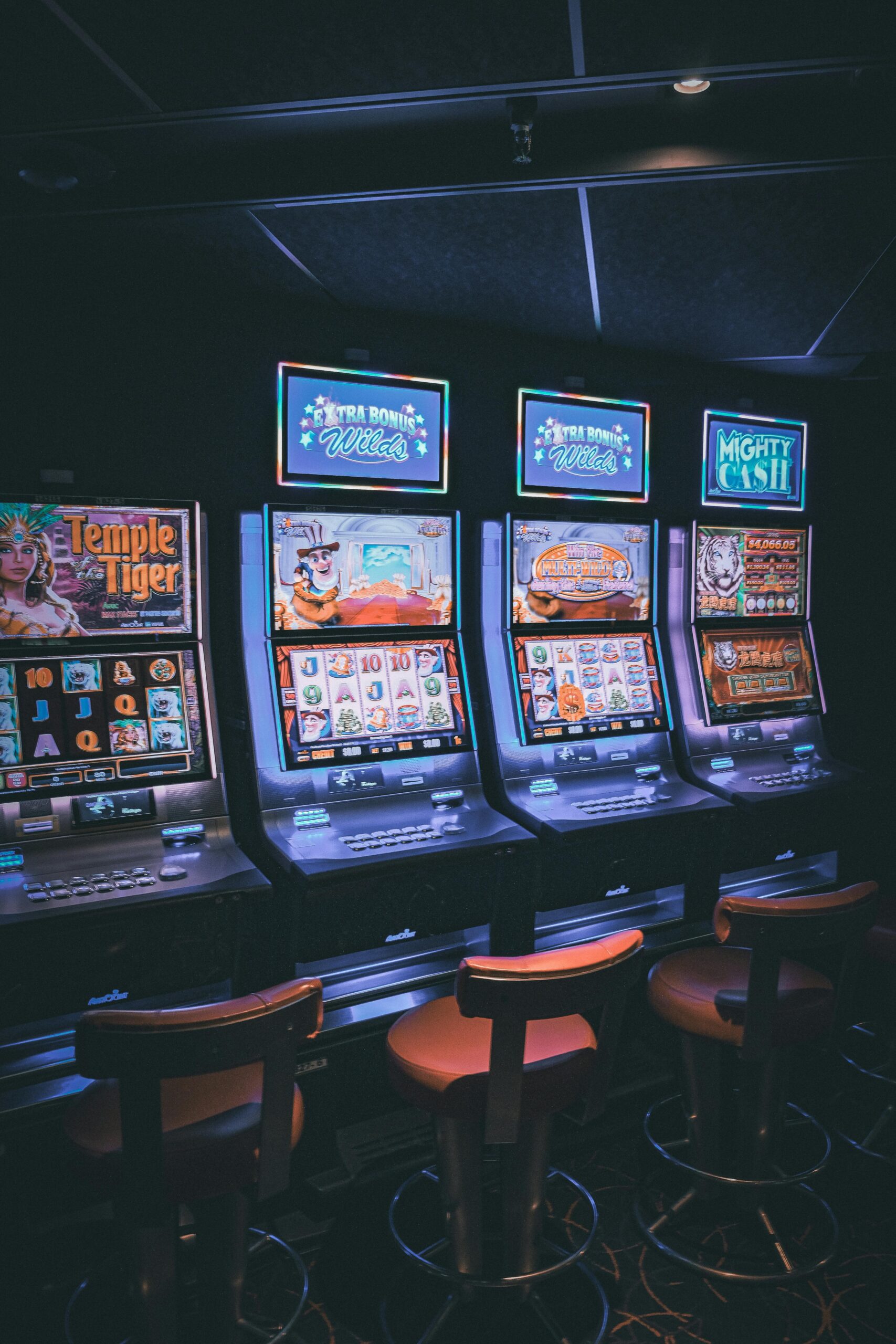
Everything shifted in the ’70s and ’80s when video slots hit the scene. Gone were the clunky reels you could watch spin; now everything happened on a screen. People didn’t trust it at first. If you can’t see the reels turning, how do you know what’s real?
But players warmed up pretty fast. Video slots made it easy to add all kinds of extras; bonus rounds, loads of paylines and wild story themes ripped straight from movies and TV. Suddenly, slots did more than just spin. They created stories.
This was also when random number generators, or RNGs, showed up. These systems make sure every spin stands alone, totally fair. Even if everything’s digital, it’s all down to luck. RNGs are still at the heart of every slot game today.
The rise of online slot games
Once the internet took off in the late ’90s, gambling went online. Slots were perfect for it. No bulky machines, no need for a casino floor and the sky was the limit for new ideas.
Online slots exploded with variety. Different reel setups, wild and scatter symbols, progressive jackpots, you name it, it showed up. Developers kept pumping out new games, so there was always something fresh to try. Online slots also went from being an internet phenomenon, to entering first the early stages of apps, to becoming popular to play on any smartphone.
How slot games work today
Modern slots might look complicated, but the basics haven’t changed. You pick your bet, hit spin and hope for the best. The RNG decides your fate as soon as you hit that button. What you see on the screen just shows what already happened behind the scenes.
Paytables break down what each combo is worth. Bonus features add some spice, but they still play by the same rules. Return to player percentages, RTP, let you know what to expect over time.
Cultural impact and lasting appeal
No other casino game has shaped gambling culture like slots. They pull in huge crowds, rake in cash and keep reinventing themselves.
Slots always mirror their era. From gears and bells to digital art and soundtracks, they keep up with tech, new laws and whatever players want, without losing what makes them slots in the first place.

 Simon Leonard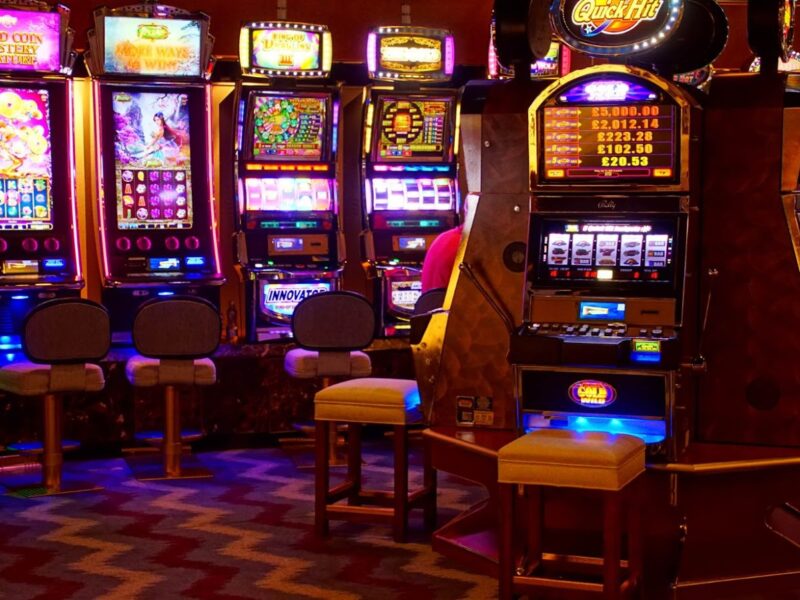
 James Gordan