Phaelorith Vylandore
Steaming potatoes might not sound like a high-stakes operation, but nail the technique and you’ll unlock a side dish that’s fluffy on the inside, tender throughout, and way less waterlogged than boiled alternatives. Whether you’re prepping components for a full meal or meal-prepping for the week, steaming is one of the most reliable cooking methods out there. This guide breaks down everything you need to know, from equipment selection to timing to advanced methods, so you can consistently produce perfectly steamed potatoes without guesswork or burnt-pan disasters.
Key Takeaways
- Steaming potatoes produces firmer, creamier results with better nutrient retention compared to boiling, which waterloggs potatoes and leaches flavors.
- Invest in a collapsible metal steaming basket ($5-15) and a properly fitted pot with a tight lid to ensure consistent steam circulation and even cooking.
- Uniform potato sizing is essential—cut larger potatoes to match smaller ones and leave space between pieces in a single layer to avoid uneven cooking.
- Cooking time varies by potato type and size: waxy potatoes (red, fingerling) take 6-8 minutes when cut into ½-inch pieces, while starchy russets need 8-10 minutes for similar sizing.
- Test doneness by piercing the thickest piece with a fork; properly steamed potatoes should be tender but not mushy, with no hard center resistance.
- Steamed potatoes are a versatile blank canvas that absorbs flavors better when warm—dress with butter, herbs, vinaigrette, or roast for crispy edges right after cooking.
Why Steam Potatoes Instead Of Boiling?
Boiling potatoes seems simpler on the surface, but steaming delivers superior results. When you boil, potatoes absorb water and become soggy, they lose flavor and texture. Steam, on the other hand, cooks potatoes gently and evenly without waterlogging them. You’re also retaining more nutrients: steaming preserves vitamins and minerals that leach into boiling water.
Steamed potatoes have a firmer, creamier texture that holds up better in salads, roasted dishes, and sides. They also accept seasonings and toppings more readily since they’re not saturated with water. Plus, if you’re using the potatoes in a specific recipe, mashed, roasted, or fried, steamed versions give you better control over final texture. The cook time is comparable to boiling, so there’s no real speed trade-off.
Essential Equipment And Tools You’ll Need
You don’t need fancy gear to steam potatoes effectively, but having the right tools makes the process faster and more consistent.
Steaming Basket Options
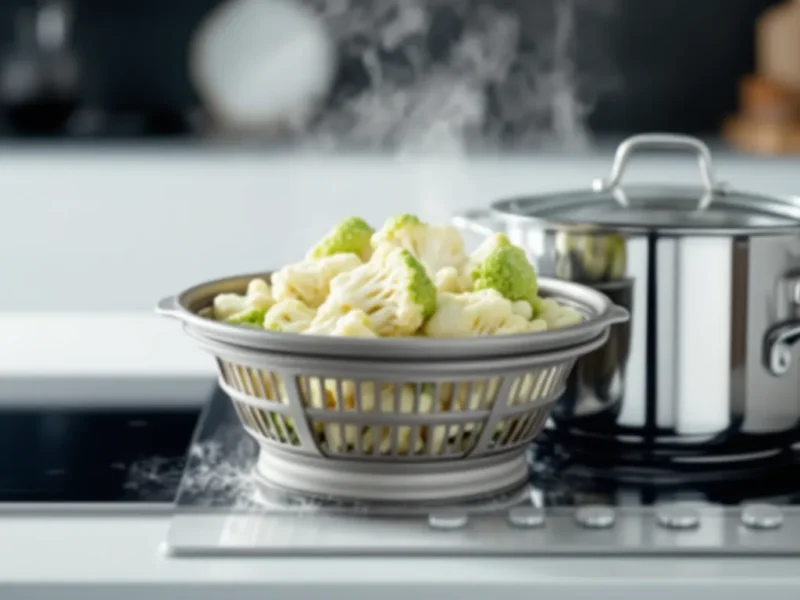
A collapsible metal steaming basket is the most versatile choice. These sit directly in the pot and expand or contract to fit various pot sizes. They’re cheap (usually $5-15), durable, and work with virtually any pot you already own. Make sure it has feet that keep it elevated above the water line, this is critical for proper steam circulation.
Bamboo steamers are another option, especially if you’re steaming multiple layers of potatoes or other ingredients simultaneously. They’re gentler on delicate foods and add a subtle aesthetic, though they require more maintenance (soaking, drying between uses). Metal mesh steamers work too, but they’re less stable than baskets and can tip if you’re not careful loading them.
Pots And Cookware Considerations
You need a pot deep enough to hold water without overflow, with a tight-fitting lid to trap steam. A 3-4 quart stainless steel or non-stick pot works great: avoid thin aluminum pots that distribute heat unevenly. Cast iron can work but tends to rust if you’re steaming frequently. The lid must seal reasonably well, a loose lid means longer cook times and inconsistent results.
If you’re already using an Instant Pot, bamboo steamer, or electric steamer, those work perfectly fine and may even be more convenient since they’re designed for this task. Just adjust timing slightly since electric steamers often run hotter than stovetop methods.
Preparing Your Potatoes For Steaming
Prep work sets the stage for even cooking and better texture. Rushing this step often leads to undercooked centers or overcooked exteriors.
Selecting The Right Potato Variety
Potato type matters more than you’d think. Waxy potatoes like red potatoes, fingerlings, and new potatoes have lower starch and hold their shape beautifully when steamed, they’re ideal for salads and sides. Starchy potatoes like russets are fluffy and creamy when steamed, making them perfect for mashing or loaded sides. Medium-starch varieties like Yukon Golds are forgiving and work well for almost any application.
Avoid mixing varieties in the same batch unless you’re deliberately going for mixed textures. Each type has slightly different water content and density, so they’ll finish at different rates.
Washing And Cutting Techniques
Wash potatoes under cold running water and scrub with a brush or your fingers to remove dirt. Don’t peel unless the recipe specifically calls for it, the skin keeps potatoes intact during steaming and adds nutrients.
For even cooking, cut potatoes into uniform pieces. If you’re using a mix of sizes, cut larger potatoes into smaller chunks to match the smaller ones. ½-inch to 1-inch chunks work for most applications: aim for consistency rather than exact measurements. Larger whole potatoes (tennis ball-sized) can steam fine but take 20-25 minutes, while smaller chunks finish in 8-12 minutes. If you’re steaming whole new potatoes or fingerlings, leave them uncut for best texture.
Step-By-Step Steaming Process
Follow this sequence to avoid common mistakes and nail consistency every time.
Setting Up Your Steamer
Fill your pot with about 1-2 inches of water, just enough so the water doesn’t touch the bottom of the steaming basket. Too much water and you’ll get condensation dripping onto the potatoes: too little and you’ll boil dry. Insert your steaming basket and bring the water to a rolling boil over high heat before adding potatoes.
Arrange potato pieces in a single layer in the basket, not stacked or crammed. Proper steam circulation requires space between pieces. If you’re steaming a large batch, it’s better to work in two batches than to overstuff, crowded potatoes steam unevenly.
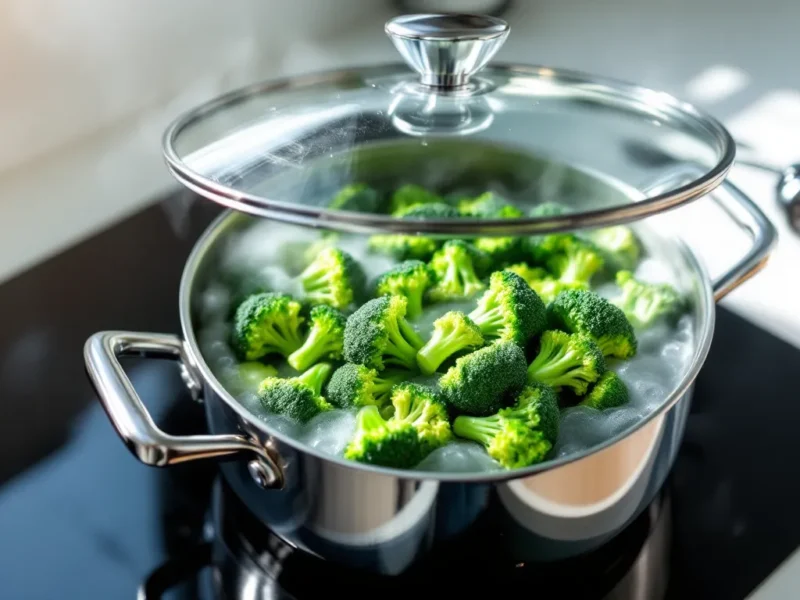
Cover the pot with a lid immediately after adding potatoes to trap steam. The lid should fit snugly but doesn’t need to be airtight. Lower the heat to medium or medium-high to maintain a steady, gentle steam. You should hear a soft hiss, not aggressive boiling.
Monitoring Cooking Time
Don’t walk away completely, but you don’t need to monitor constantly either. Check the water level after about 10 minutes, especially during longer cooking sessions, add a bit of hot water if it’s getting low. The water should never boil completely dry: you’ll know because the pot will start smoking.
Resist the urge to peek constantly. Every time you lift the lid, steam escapes and you’re resetting the clock. Develop a habit of checking around the halfway point and then again toward the expected finish time.
Testing For Doneness
A potato is done when a fork or sharp knife slides through easily with minimal resistance. The center should be tender but not mushy or falling apart. Pierce the thickest piece in the batch first: if it’s done, the rest should be close behind.
If potatoes are still hard in the center, steam for another 2-3 minutes and retest. It’s better to undercook slightly and add time than to overcook and ruin the batch. Overcooked potatoes become watery and break apart, especially waxy varieties.
Steaming Time Guide By Potato Size And Type
Timing depends on size and potato type. Here’s a practical reference:
Waxy Potatoes (red, fingerling, new):
- Whole small (1-2 inches): 12-15 minutes
- Cut into ½-inch pieces: 6-8 minutes
- Whole medium (2-3 inches): 18-20 minutes
Starchy Potatoes (russet, Idaho):
- Whole small: 15-18 minutes
- Cut into ½-inch pieces: 8-10 minutes
- Whole large (3-4 inches): 25-30 minutes
Medium-Starch Potatoes (Yukon Gold):
- Whole small: 13-16 minutes
- Cut into ½-inch pieces: 7-9 minutes
- Whole medium: 20-22 minutes
These are baseline estimates, exact times vary based on pot size, steam intensity, and water temperature when you start. High altitude cooking takes 2-4 minutes longer. Start checking 1-2 minutes before the expected finish time, especially when steaming for the first time with your specific setup. Record times that work for you: you’ll develop a feel for it quickly.
Advanced Steaming Methods And Variations
Once you’ve mastered basic stovetop steaming, these alternatives offer convenience and flexibility.
Instant Pot And Electric Steamer Techniques
The Instant Pot is legitimately excellent for steaming potatoes. Add 1 cup of water to the inner pot, place the trivet (metal rack) inside, and arrange potato pieces on top in a single layer. Close the lid, set it to high pressure for 5 minutes (for ½-inch chunks) or 10 minutes (for whole small potatoes). Quick release the pressure and check doneness. The advantage: set it and forget it, no monitoring required.
Electric steamers work similarly. Fill the water reservoir according to manufacturer specs, arrange potatoes on the tray, and set the timer. Most electric models take 8-12 minutes for small pieces, though these machines often run hotter than stovetop steamers so you might need to shave a minute or two off. Electric steamers are great for hands-off cooking but take longer to heat up initially.
Bamboo Steamer And Microwave Alternatives
Bamboo steamers, commonly stacked over a wok or large pot of simmering water, work well for smaller batches. They’re slower than metal baskets (longer heat-up time, more steam loss) but create a pleasant aesthetic if you’re steaming other ingredients alongside potatoes. Stack trays for larger quantities, rotating them halfway through to ensure even cooking.
Microwave steaming isn’t ideal for large batches but works in a pinch. Cut potatoes into very small pieces (¼-inch cubes), place them in a microwave-safe dish with 2-3 tablespoons of water, cover loosely, and microwave on high for 5-8 minutes, stirring halfway through. Results are less consistent than stovetop methods, and you won’t get the same texture, but it’s faster when time is tight.
Troubleshooting Common Steaming Issues
Even with good technique, things sometimes go sideways. Here’s how to diagnose and fix common problems.
Undercooked Or Overcooked Potatoes
Undercooked potatoes have a hard center that resists the fork. This happens when steam isn’t reaching all pieces evenly (overcrowding) or when you’re using the wrong timing for your specific potato size. Solution: reduce batch size, increase cooking time by 2-3 minutes, and ensure pieces are uniformly sized.
Overcooked potatoes turn mushy and watery, especially waxy varieties. This usually means you left them steaming too long or used too high heat. Next time, start checking 2-3 minutes earlier and lower your heat slightly to maintain a gentler steam. If it happens, you can salvage mushy potatoes by using them for mashed potatoes or potato salads where texture is less critical.
Uneven Cooking And Moisture Problems
Uneven cooking often results from uneven sizing or overcrowding. Potatoes in the center of a crowded basket cook slower than those on the edges. Always cut to uniform size and leave space between pieces. If steaming a large batch, use two smaller batches instead.
Excessive moisture on the finished potatoes (they’re soaking wet) typically means water was boiling too vigorously and splattering onto the potatoes. Lower your heat to maintain a gentle, steady steam, you should barely hear the water. If condensation is pooling on the lid and dripping down, the water level is too high. Keep it to 1-1.5 inches below the basket.
Dry, crumbly results usually indicate under-steaming or too little starting water. The pot boiled dry, interrupting the steam. Measure your water more carefully and check the level halfway through cooking.
Serving And Storage Tips
Steamed potatoes are versatile, but how you finish and store them affects flavor and texture.
Flavor Enhancement Ideas
Fresh steamed potatoes are a blank canvas. Toss them immediately (while still warm) with butter, salt, and fresh herbs like dill, chives, or parsley for a classic side. A squeeze of lemon juice brightens them significantly. For more robust flavors, dress warm potatoes with a vinaigrette, creamy dressing, or cheese sauce while they’re still steaming, they absorb flavors better when warm.
If you’re making potato salad, cool steamed potatoes to room temperature first, then dress them. Waxy potatoes hold dressing better than starchy varieties. Roasting steamed potatoes in a hot oven with oil and seasonings for 10-15 minutes creates crispy edges while keeping interiors creamy, a texture upgrade that’s worth the extra step.
Storing Steamed Potatoes
Cool steamed potatoes to room temperature before storing. Place them in an airtight container and refrigerate for up to 5 days. Steamed potatoes keep longer than boiled ones since they’re not waterlogged, but they’ll gradually dry out over time. For extended storage, freeze them (up to 3 months) though texture becomes grainier when thawed, they’re best used in soups or mashes rather than eaten whole.
To reheat, steam them again for 2-3 minutes, or microwave in a covered dish with a splash of water for 1-2 minutes. Reheated potatoes won’t match fresh-steamed quality, so plan your batch size accordingly. Some cooks cut steamed potatoes before storing so they reheat faster and more evenly.
Conclusion
Steaming potatoes consistently comes down to understanding your equipment, matching sizing to timing, and maintaining steady heat. Once you’ve steamed a batch or two and found the rhythm for your specific pot and stove, you’ll develop intuition that makes the process automatic. Steamed potatoes become a reliable, flexible component that works in virtually any context, side dishes, salads, composed plates, or standalone with toppings.
The techniques covered here scale from weeknight sides for two people to meal-prep sessions for a week’s worth of meals. Experiment with different potato varieties and cooking methods (stovetop, Instant Pot, bamboo steamer) to see what fits your workflow best. Once you master the fundamentals, you’ll find yourself steaming potatoes regularly because the results are consistently good and the method is genuinely simple, no guesswork, no waterlogged failures, just tender, flavorful potatoes ready for whatever comes next.


 Phaelorith Vylandore