 Phaelorith Vylandore
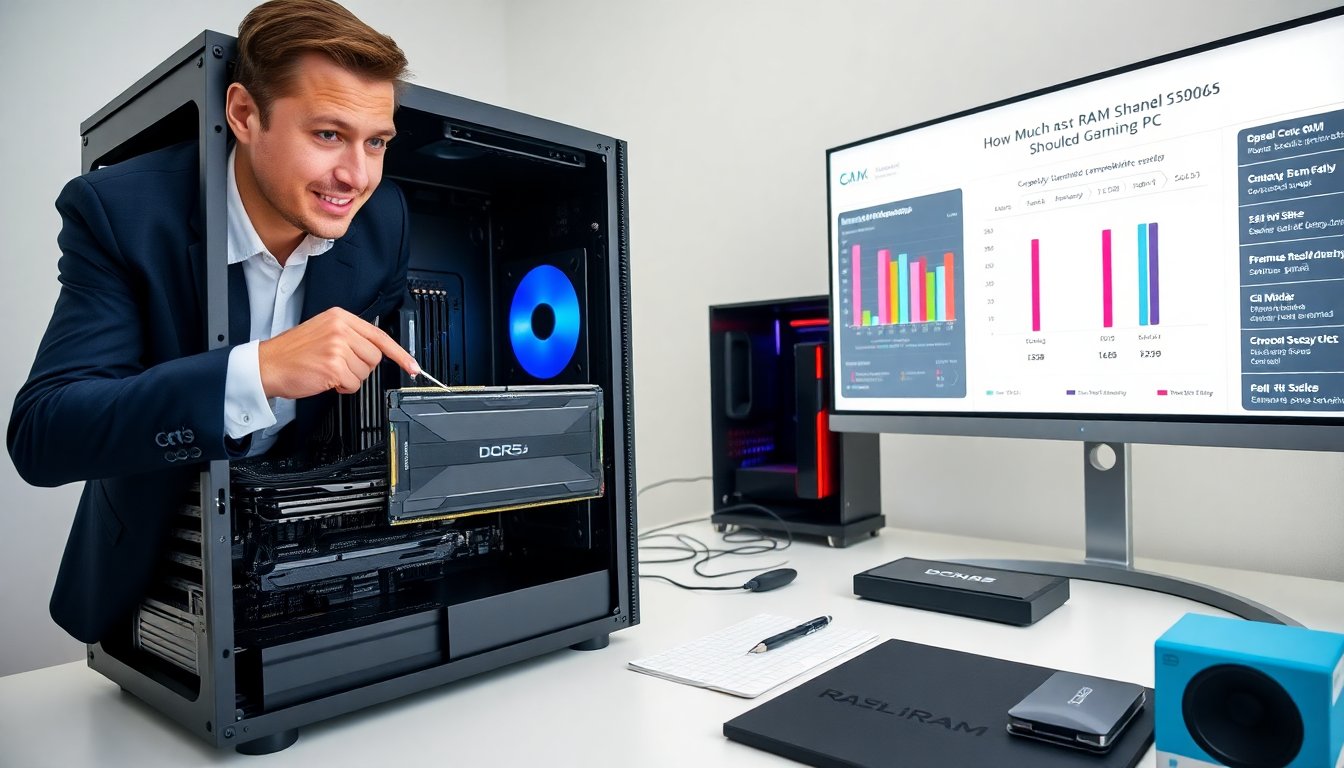
How much RAM should a gaming PC have is a common question for buyers in 2026. This guide gives clear advice on capacity, speed, and when to upgrade. It lists typical use cases and budget tips. It keeps recommendations practical and easy to act on.
Key Takeaways
- A gaming PC should ideally have at least 16GB of RAM to balance performance and value for most gamers.
- RAM capacity affects game load times, frame pacing, and texture streaming, especially when multitasking with background apps.
- Choose RAM speed and latency compatible with your motherboard and CPU to maximize gaming performance without wasting budget.
- Prioritize buying matched dual-channel RAM modules and focus on capacity first over extremely high speeds for a smooth gaming experience.
- Upgrading from 16GB to higher RAM amounts can be done later depending on gaming needs and budget constraints.
- Checking real-world benchmarks and hardware reviews can help make informed decisions about how much RAM a gaming PC should have.
Understanding RAM And Why It Matters For Gaming
RAM stores game data that the CPU and GPU access quickly. RAM affects load times, frame pacing, and texture streaming. Gamers who run many background apps will see more benefit from extra RAM. When the system runs out of RAM, it uses slower storage and performance drops. Many testers now use real-game tests to measure impact. Hardware reviews at Hardware Times show RAM capacity changes can alter minimum frame rates. The question how much RAM should a gaming PC have leads to different answers based on games and multitasking.
Recommended RAM By Use Case
This section breaks recommendations into common gamer profiles. Each profile shows why the capacity fits the playstyle and when the gamer should choose higher capacity.
How To Choose RAM: Speed, Capacity, And Latency Explained
Capacity, speed, and latency each affect performance. Capacity sets how much data the system holds. Speed (MHz) moves data faster between RAM and CPU. Latency (CL) defines delay per operation. Gamers should match RAM speed to the motherboard and CPU to avoid wasting budget. Dual-channel kits provide better bandwidth than single modules. Reviews at Tom’s Hardware list compatible kits and show diminishing returns past certain speeds. When players ask how much RAM should a gaming PC have, they should also ask what speed and latency the platform supports.
Upgrading, Compatibility, And Smart Budget Tips For Gamers
Check motherboard DIMM slots and maximum supported RAM before buying. Use matched modules for best stability. If budget limits choices, prioritize capacity over top-end speed for gaming. Install two sticks for dual channel rather than one large stick. When upgrading, move to a 16GB kit first, then add another kit later if needed. For high-end builds, test kits with a memory stress tool and adjust XMP profiles carefully. Gamers who read comparisons at Hardware Times find practical upgrade sequences. For context tied to dream builds, many readers compare parts against the most expensive gaming pc in the world to set performance goals. Gamers deciding how much RAM should a gaming PC have often link upgrade pace to budget and use case, and they review luxury builds like the most expensive gaming pc in the world for component ideas. Finally, players who want reference points compare real benchmarks and note that 16GB gives the best value for most builds: they may bookmark the most expensive gaming pc in the world for future inspiration.


 James Gordan
 Phaelorith Vylandore