 Jyranthiloryx Vyxalorithal
How does Apple Watch cellular work is a common question for gamers who want phone-free play. This guide explains the core features, limits, and setup steps. It uses clear language and direct examples. The reader will learn what cellular enables, what it costs, and when it helps during gaming sessions or daily life.
Key Takeaways
- The Apple Watch cellular model connects independently to mobile networks using an eSIM, allowing calls, texts, and streaming without the paired iPhone.
- Cellular Apple Watches share the same phone number as the iPhone and require a carrier plan with a monthly fee, typically $5–$15.
- Users can activate cellular service through the iPhone Watch app and troubleshoot issues by toggling airplane mode or contacting carrier support.
- Using cellular connectivity drains battery faster, so it’s best to use Wi‑Fi when possible and limit background app refresh and streaming quality.
- The cellular Apple Watch benefits gamers and active users by providing phone-free calls and data access during workouts or play away from their phone.
- Before subscribing, users should compare carrier coverage, costs, and their need for independence versus proximity to their iPhone.
How Apple Watch Cellular Differs From GPS‑Only Models
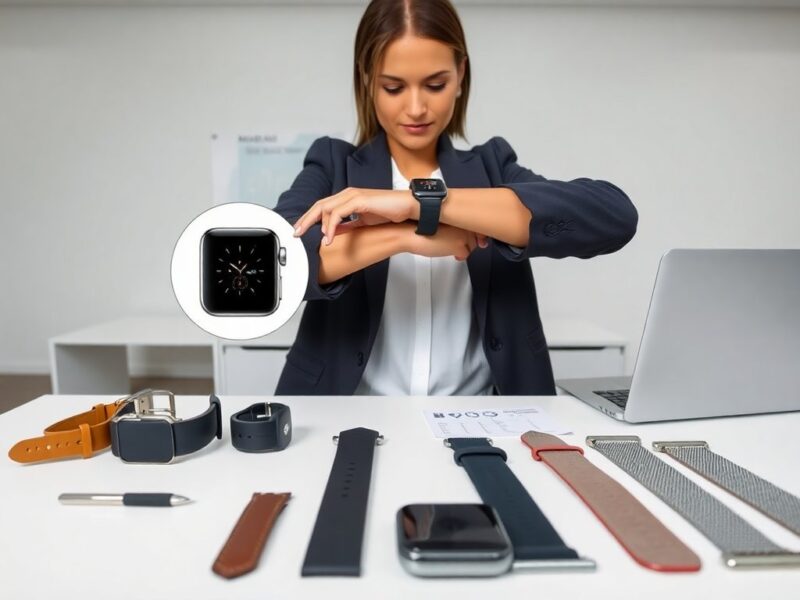
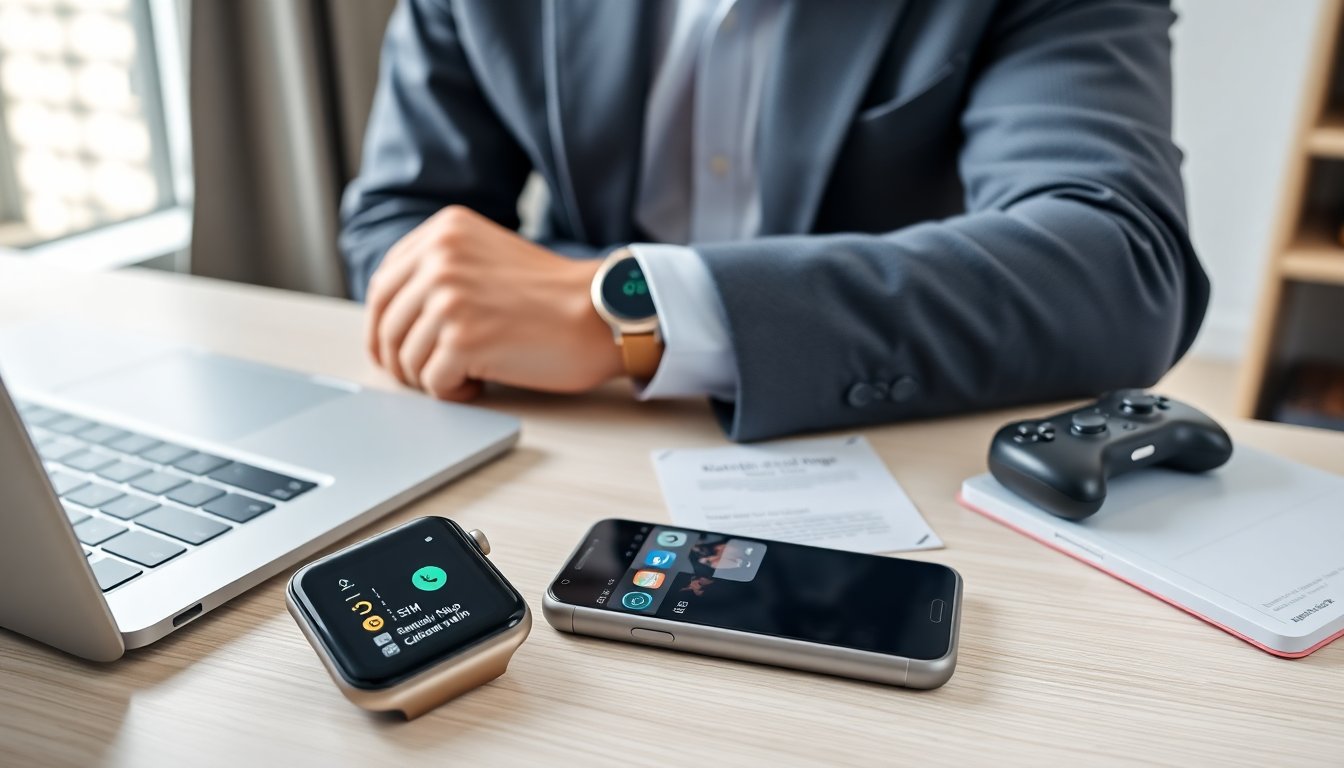
Apple sells two main Apple Watch types: GPS and cellular. The GPS model connects to the iPhone for calls, messages, and most data. The cellular model connects to a mobile network on its own. The cellular model uses a built-in radio and eSIM to send and receive voice and data. The GPS model saves battery by relying on the iPhone. The cellular model adds independence but it can use more battery. Gamers who leave the phone behind get calls, messages, and basic streaming on a cellular watch. For a deeper comparison, readers can consult a detailed review at TechRadar.
How Cellular Connectivity Works On Apple Watch
The Apple Watch cellular design centers on an eSIM and a mobile radio. The watch activates a cellular profile that ties to the user phone number. The watch then registers with the carrier like a small phone. The watch will choose the best network between LTE and 5G where available. The watch falls back to Wi‑Fi or the paired iPhone when the carrier signal is weak. The watch routes calls and app data through the carrier when it uses cellular. The watch keeps app permissions separate so apps request cellular use before they send data.
eSIM, Carrier Plans, And Number Sharing
Apple Watch uses an eSIM that the carrier links to the main phone plan. The carrier often charges a monthly fee for the watch line. The watch shares the same phone number as the iPhone in most plans. The user can manage the plan in the iPhone Watch app. The carrier may require verification steps and a compatible account. If the user changes carriers, they must update the watch plan too. For carrier reviews and testing methodology, readers can review testing at PCMag.
Calls, Texts, Streaming, And App Data Over Cellular
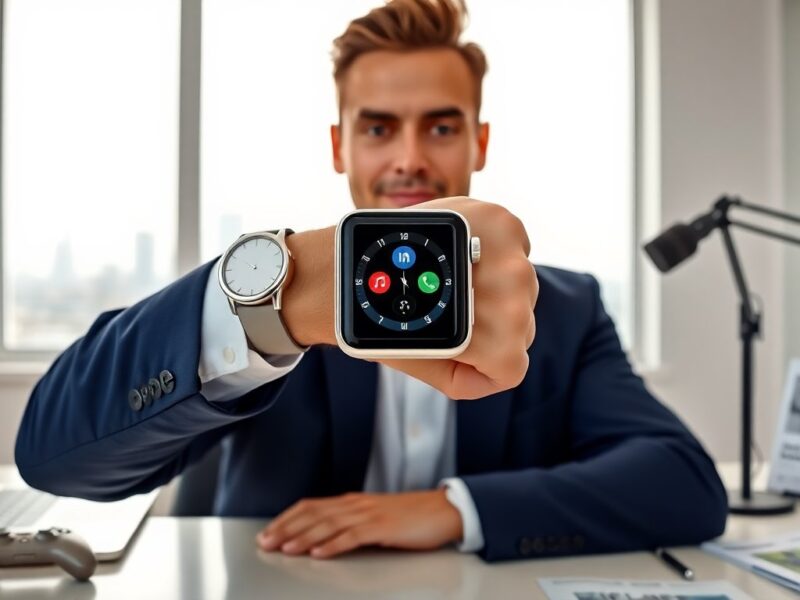
The watch places and receives calls independently when it has a cellular signal. The watch sends and receives SMS and iMessage without the paired iPhone. The watch streams music and podcasts directly from services that support the watch. The watch runs many apps that use small amounts of cellular data. The watch does not handle large downloads as well as a phone. The watch limits background data to save battery. PCWorld provides testing notes on device performance that readers may find useful at PCWorld.
Setup, Activation, And Common Troubleshooting Steps
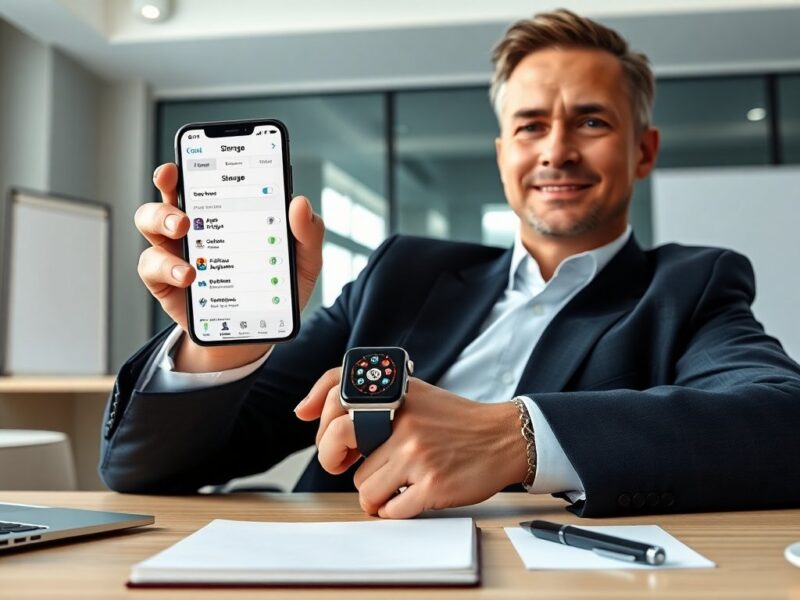
The user opens the Watch app on the paired iPhone to start activation. The Watch app guides the user to add a cellular plan and verify the carrier. The carrier activates the eSIM and links the line to the account. The user may need to restart both devices if activation fails. If the watch shows no service, the user should toggle airplane mode off and on, and restart the watch. If the watch still fails, the user should contact the carrier support. Gamers can follow a stepwise setup guide about how to set up apple watch without iphone for initial pairing.
Tips To Save Battery Life And Data When Using Cellular
The user can reduce cellular use to save battery and data. The user should prefer Wi‑Fi whenever possible. The user should disable background app refresh for heavy apps. The user should limit streaming quality inside music apps. The user should enable power saving options for workouts. The user can check storage and clear large files to help system performance using tips about how to clear storage on apple watch. The user can also learn how to unlock an apple watch to manage settings on the device.
Cost Considerations And When Cellular Makes Sense For Gamers
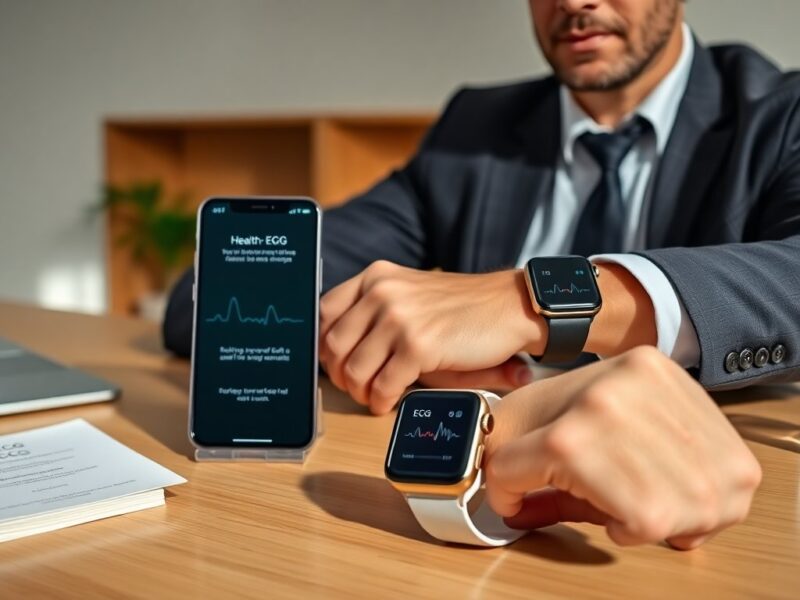
The carrier usually charges $5–$15 per month for an Apple Watch line. The user should compare monthly fees, coverage, and streaming limits before they subscribe. The cellular model adds convenience when the user runs, bikes, or streams audio during play sessions away from the phone. The watch helps in safety situations by allowing emergency calls from the wrist. The user may decline cellular if they mainly use the watch near their phone. Gamers who want independence should weigh cost against utility and check guides on what can an apple watch do and how to set up ecg on apple watch for health features.


 Jyranthiloryx Vyxalorithal