 James Gordan
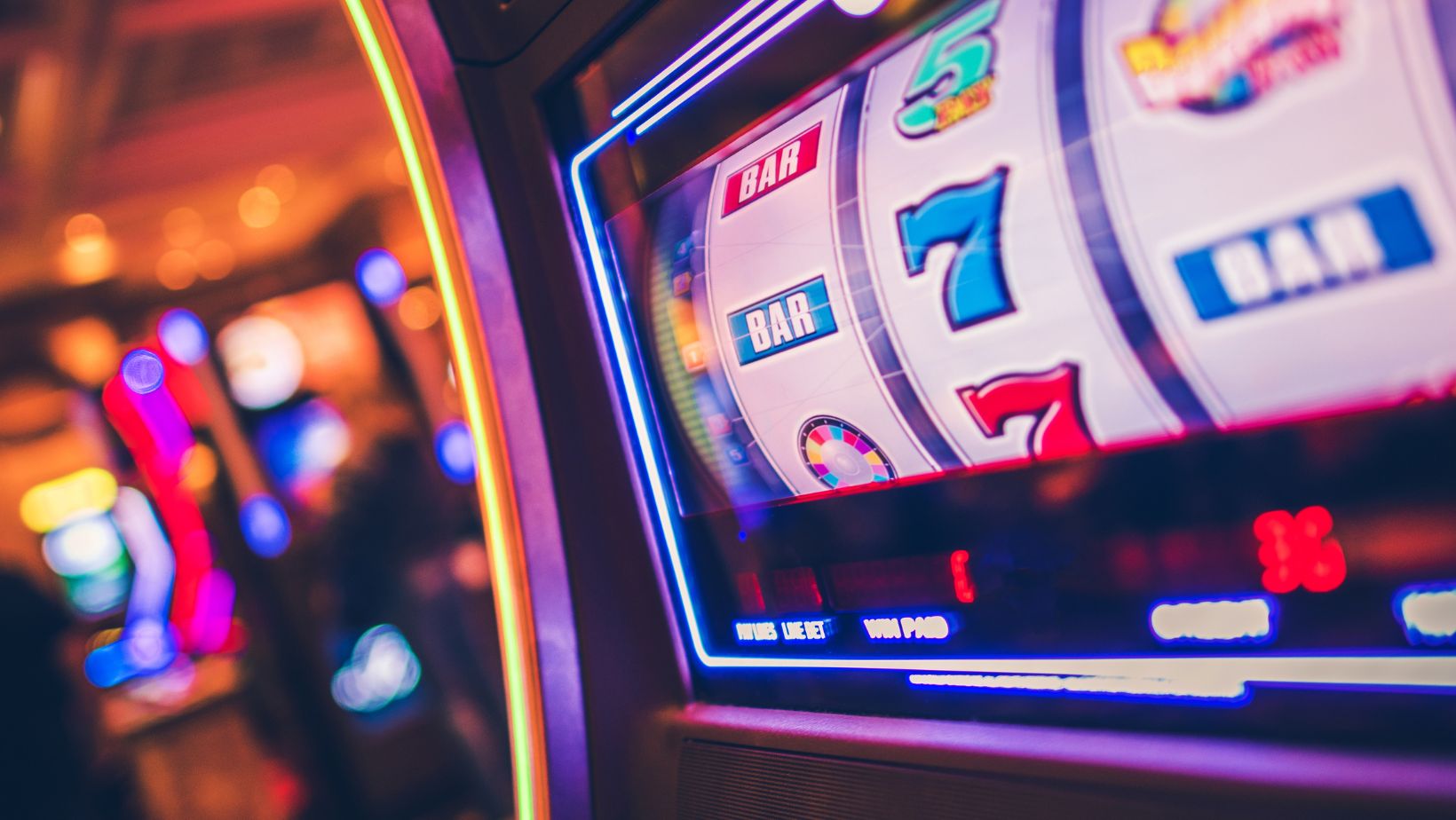
There’s a simple truth in game design: people play with their hearts first and their heads second. A slot’s theme is the invitation. It sets mood, expectation, and memory. Walk into a virtual arcade and you don’t immediately study the pay table; you notice the color, the sound, the world it promises. That first impression often decides whether you press Spin or click away.
Themes: Borrowing a Story
Themes give players a story to borrow. Whether it’s an upbeat fishing trip or a neon-soaked space odyssey, a strong aesthetic hands the player a role to inhabit for a few minutes. That helps explain why studios invest in licensed IPs, lush art teams, and sound design that feels cinematic. When the world around the reels is coherent and inviting, even small wins land with more emotional weight. The reels become part of a scene rather than abstract numbers.
From jungles to galaxies, the right aesthetic can make or break a game’s success. Titles like Big Bass Bonanza show that familiar imagery and atmosphere can sustain player engagement even when core gameplay remains simple. Theme, not just function, builds immersion. People return because the experience feels like a tiny, repeatable escape. It’s comfort, novelty, and habit layered together.
Guiding Perception of Value
But themes aren’t only decorative. They guide perception of value. A pirate theme with treasure chests and dramatic orchestral stings can make bonus rounds feel richer even if the underlying math is unchanged. A well-chosen visual metaphor can also clarify mechanics: think of treasure maps for progressive features, or multipliers as glowing crystals. Good theming reduces friction. Players understand what to chase, and they do it faster.
The Formula for Theme Success
Of course, theme success isn’t formulaic. Some themes burn bright and fade, others become evergreen. Cultural proximity matters; a locally resonant theme will outperform a generic one in certain markets. Timing matters too — a holiday tie-in can spike short-term engagement but won’t replace long-term identity. The designers who win are the ones who understand narrative fit, not just trend-hopping.
The Behavioural Angle
There’s also a behavioral angle. Humans are pattern seekers and story lovers. Themes exploit that. They create predictable emotional returns. A familiar soundtrack, a recurring mascot, or a particular animation loop becomes comforting. Players learn the rhythm and, crucially, they begin to anticipate the payoff. That anticipation is a powerful motivator.
The Role of Mechanics
Now—don’t get me wrong—mechanics are essential for keeping players hooked. A slick theme can only carry so far if the game constantly frustrates or feels dishonest. Payout rates, volatility, hit frequency: these are the scaffolding that supports player trust. Where theme invites someone to try, mechanics determine whether they stay.
In the end, the most successful slots marry both. The aesthetic draws a crowd; the rules keep them. If done poorly, a gorgeous façade collapses on a hollow system. If done well, you get both instant appeal and lasting playability.
Designer Priorities: Story vs. Loyalty
So what should designers prioritize? Start with a theme that matters to your audience and let gameplay amplify it. Keep visuals honest, sounds purposeful, and features that feel like natural extensions of the world you’re building. Test for emotional resonance, not just KPIs. Story sells time; mechanics sell loyalty.
Tell us what grabbed you the last time you played — the music, the art, the tiny touch that made you smile. Leave a comment below and let’s talk about the slot that stuck with you.

 Simon Leonard

 James Gordan