 Phaelorith Vylandore
SNK and Plaion just dropped the announcement retro gaming fans have been waiting decades for. The Neo Geo AES+ launches November 12, 2026, priced at $249.99, and it is not running emulation. Instead it uses newly manufactured ASIC chips built to replicate the original hardware at the silicon level.
You get low-latency HDMI output, DIP switches for overclocking and region selection, backward compatibility with original 1990s cartridges, and a launch lineup of ten games including Metal Slug, Garou: Mark of the Wolves, and The King of Fighters 2002.
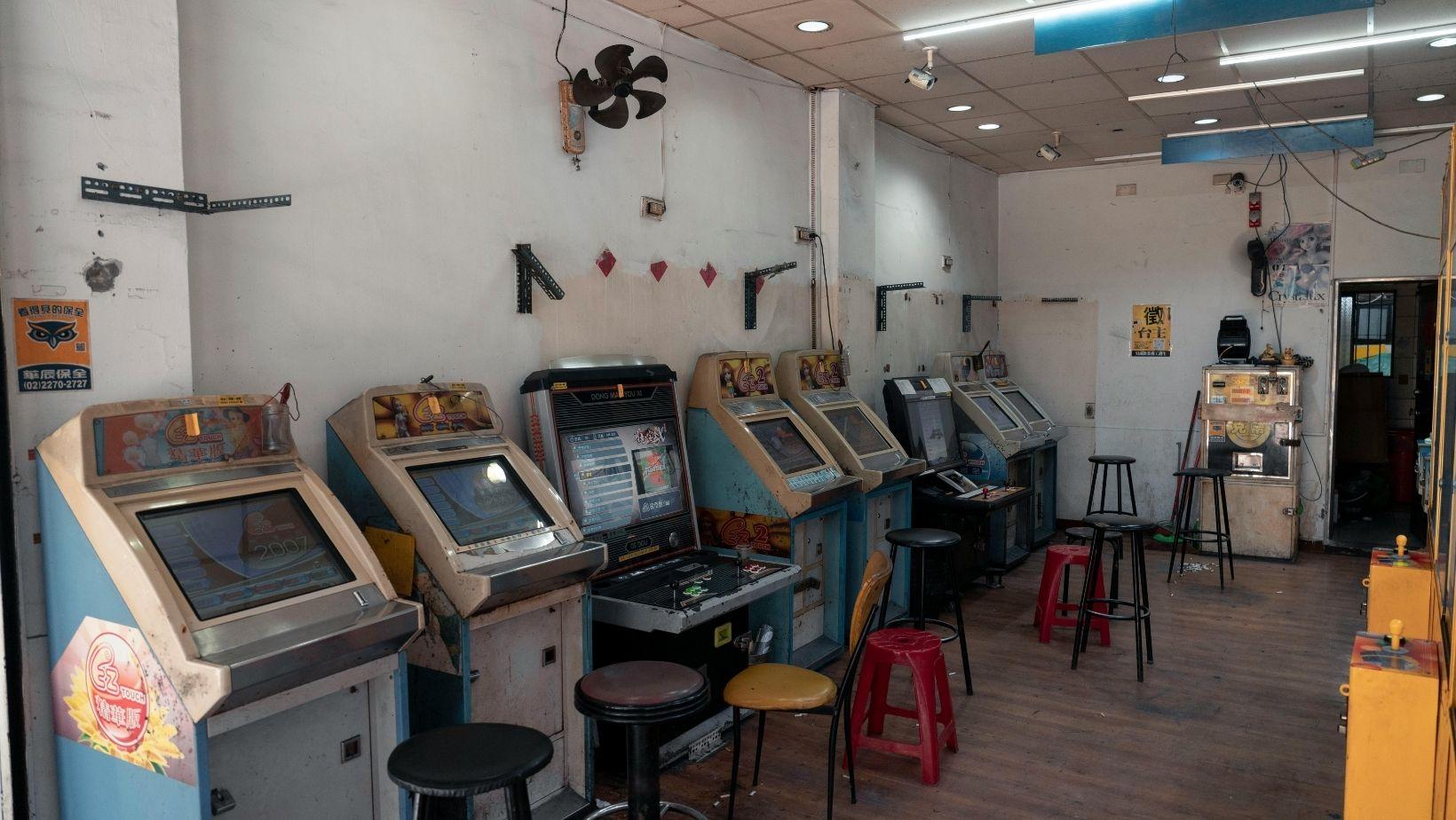
For anyone who grew up feeding coins into a Neo Geo MVS cabinet at a pizza place or corner store, that sentence reads like a dream. The original AES cost $649 at launch in 1991, with cartridges running $200 to $300 each. Arcade-quality gaming at home was a genuine luxury. At $249.99 in 2026, the AES+ is the first time that promise has been delivered at a price that actually makes sense.
Why This Matters Beyond the Hardware
The Neo Geo AES+ announcement is the most high-profile moment in a retro arcade revival that has been building for years. The Evercade platform has been doing steady business with curated cartridge collections. The MiSTer FPGA community has grown into a serious enthusiast ecosystem. Analog’s range of hardware-accurate consoles has demonstrated there is real commercial appetite for authenticity over convenience.
What the AES+ adds to that picture is scale and legitimacy. This is SNK, the original company, co-producing a hardware-faithful successor to one of the most revered gaming platforms ever made. The announcement has already sold out the Ultimate Edition bundle, priced at $999.99, within hours of pre-orders going live. The white Anniversary Edition at $349.99 followed shortly after. These are not nostalgia trinkets. Collectors and players are spending serious money because the product is serious.
Arcade Mechanics Are Everywhere Right Now
What makes the timing interesting is that the Neo Geo revival is landing in a moment when arcade-style gameplay is genuinely thriving across multiple gaming formats, not just retro hardware.
The Neo Geo’s library was built almost entirely around the shooting gallery, fighting game, and score-attack mechanics that defined the golden age of arcade cabinets. Those exact mechanics have found a second life in places that would have seemed unlikely even five years ago.
Sweepstakes gaming platforms in the US have quietly become one of the biggest homes for arcade-style play. Fish table games, which originated in Asian arcade halls where players aim and shoot at animated sea creatures for points, have become a dominant format across sweepstakes casinos precisely because they feel active rather than passive. The aiming, the target selection, the continuous action loop, it is the same core appeal that kept players at Neo Geo cabinets for hours.
For anyone curious about how that format works and why it has taken hold, this breakdown of fish table games and their rise as a sweepstakes staple covers the history clearly. The connection between arcade hall roots and modern sweepstakes deployment is more direct than most people realise, and the same skill-based mechanics that justified the Neo Geo’s premium price tag in 1991 are still doing legal and commercial work in the sweepstakes space today.
What Comes Next for Retro Gaming
The AES+ launch in November is going to be one of the most watched hardware releases of the year for retro gaming enthusiasts. Developer Jotego, known from the MiSTer FPGA community, has confirmed a small involvement in the project, which has only added to the anticipation. Whether the ASIC implementation lives up to the zero-compromise promise is the question every hardware purist will be asking on day one.
Beyond the AES+ itself, the broader retro arcade revival shows no sign of slowing. The London Games Festival recently reported the UK games market hit a record £8.7 billion in 2025, with retro and heritage gaming forming a meaningful part of the collector and enthusiast segment. The appetite for arcade authenticity, whether delivered through a $249 console, a sweepstakes fish shooter, or a restored MVS cabinet in someone’s garage, is as strong as it has ever been.


 Simon Leonard
 Phaelorith Vylandore
 James Gordan